Welcome to Jinan Jiaruichang Machinery Equipment Co., Ltd.
How to Choose a Vegetable Cutting Machine for Industrial Use
When selecting a vegetable cutting machine for industrial use, it’s crucial to carefully consider various factors that align with your specific needs. Whether you are managing a cafeteria, a central kitchen, or a restaurant chain, the right equipment can significantly impact your operational efficiency. Here is a detailed guide on how to choose the best vegetable cutting machine for industrial use.
I. Define Your Requirements
Before making any purchase, it’s essential to clearly define your specific needs. This will help ensure the machine you select is the best fit for your business.
1. Usage Scenario (Cafeteria / Central Kitchen / Restaurant Chain)
For example, a central kitchen typically requires machines with high output capabilities to handle large volumes of vegetables. In contrast, a restaurant chain may prioritize versatility and compactness for use across multiple locations.
2. Daily Processing Volume
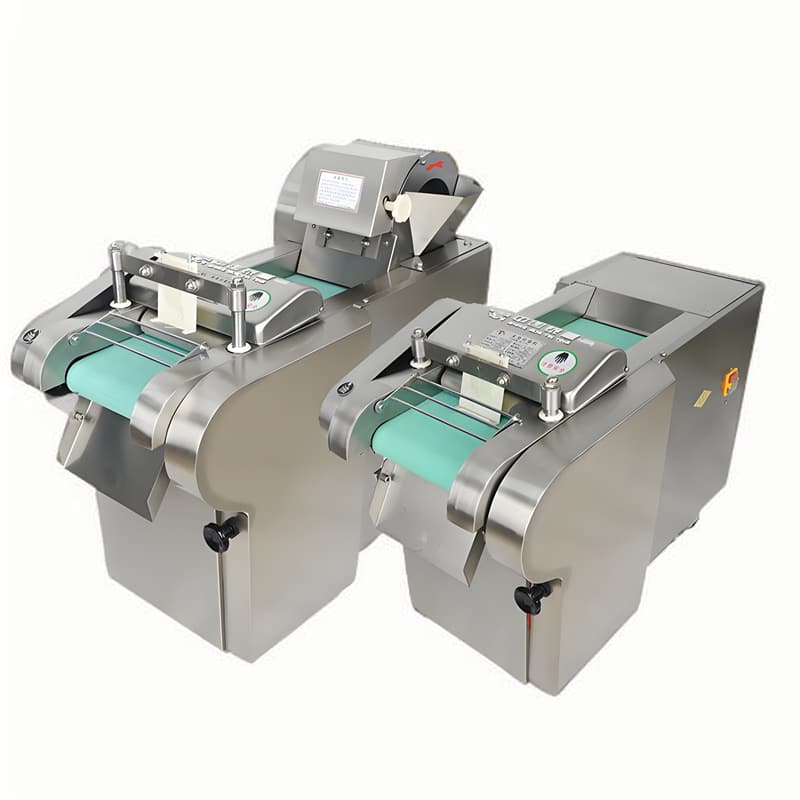
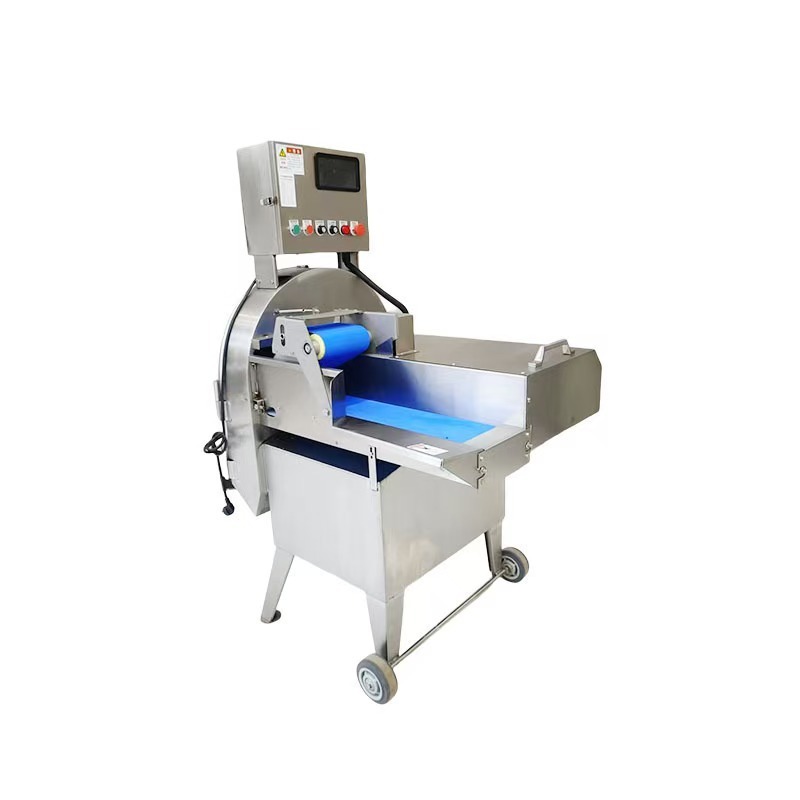
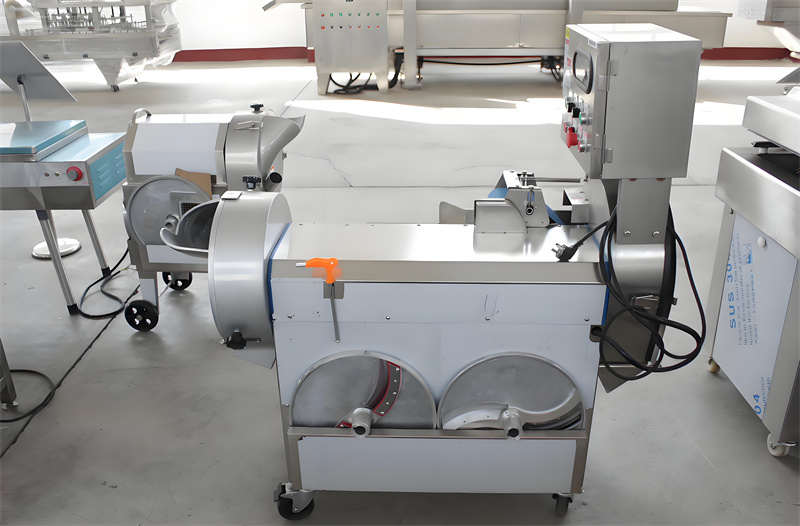
JRC has produced two types of multifunctional vegetable cutting machines: one with a production capacity of 300-500 kg per hour and the other with 800-1000 kg per hour. These machines can handle vegetable cutting tasks for various usage scenarios.
3. Main Vegetables to Cut (Leafy Greens / Root Vegetables)
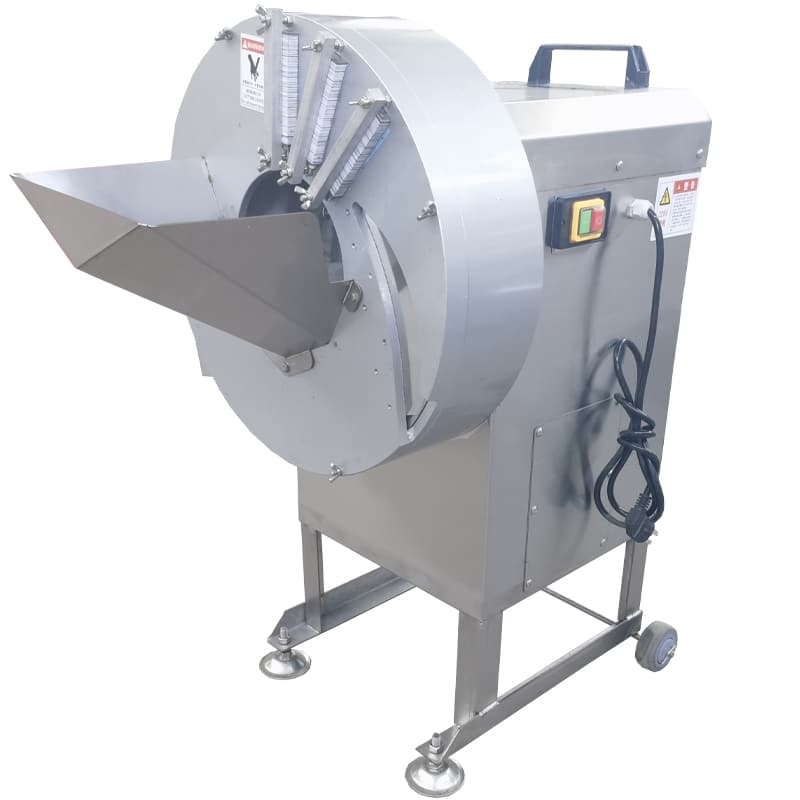
The cutting requirements for leafy vegetables and root vegetables are based on different principles. There are specialized machines for cutting as well as multifunctional vegetable cutting machines available on the market. Choose the most suitable model based on the main ingredients you plan to process.
II. Core Selection Criteria
When selecting a vegetable cutting machine, the following factors should be prioritized to ensure that the machine can meet your operational demands:
1. Cutting Efficiency: Processing Capacity per Unit Time
Efficiency is one of the most important factors to consider. A good vegetable cutting machine should allow you to process a large number of vegetables in a short period, which is essential for maintaining workflow in fast-paced environments. Check the processing capacity of the machine (measured in kg per hour or units per minute) to make sure it meets your daily needs.
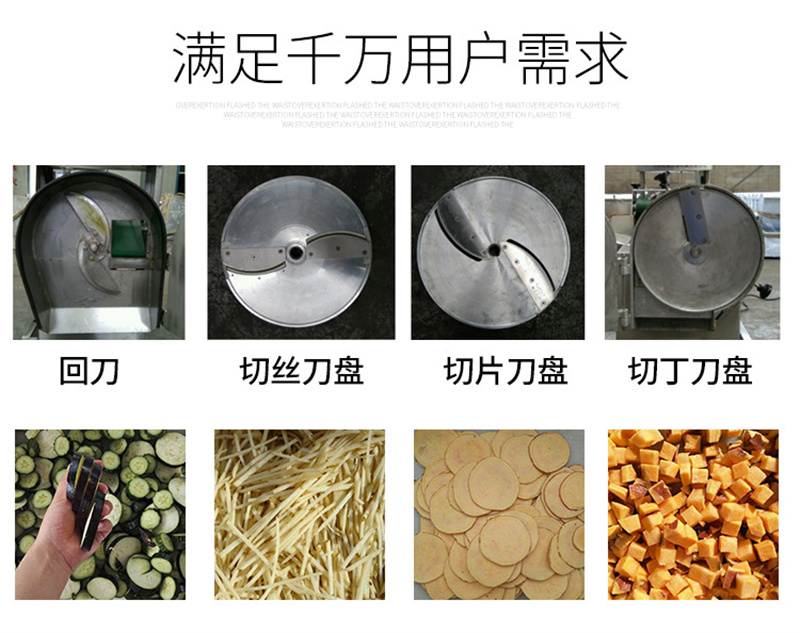
2. Functionality: Slicing / Shredding / Dicing Modes
Versatility is key for industrial kitchen operations. A machine that offers multiple cutting options, such as slicing, shredding, and dicing, will provide the flexibility to process different types of vegetables and recipes. Ensure the machine has adjustable settings and blades to accommodate various cutting needs.
3. Material Standards: Food-Grade Stainless Steel Quality
The material quality of the vegetable cutting machine is critical for both hygiene and durability. Look for machines made with food-grade stainless steel, which is rust-resistant and easy to clean. Stainless steel also meets food safety standards, ensuring no contaminants are introduced during food processing.
4. Ease of Cleaning: Detachable Components
A machine that is easy to clean and maintain will help ensure that your food safety standards are met. Machines with detachable components, such as blades, trays, and covers, make cleaning easier and faster. This feature is especially important in high-volume kitchens where the time between food prep and cleaning is limited.
III. Space Requirements
Ensure that the machine's size is compatible with the available space in your kitchen or food processing facility. The equipment should not only fit the space requirements but also facilitate an efficient workflow
IV. Conclusion
Choosing the right vegetable cutting machine for your industrial use is a decision that requires careful consideration of several factors. or those looking for a versatile and reliable machine, we recommend the JRC brand of multi-use vegetable cutting machines. Known for their durability, high efficiency, and safety features, JRC machines offer excellent solutions for large-scale food processing. Whether you are running a cafeteria, central kitchen, or restaurant chain, a JRC vegetable cutting machine can help streamline your operations, improve productivity, and maintain the highest standards of food quality.
FAQ
Q1: How do I choose the best vegetable cutting machine for industrial use?
A1: Start by assessing your usage scenario (e.g., cafeteria, central kitchen, or restaurant chain), daily processing volume, and the type of vegetables you handle. For high-volume processing, choose a model with 800–1000 kg/hour capacity. For mixed-use or smaller operations, a 300–500 kg/hour model may be more suitable. Also, consider whether you need specialized cutting or a multifunctional machine.
Q2: What cutting functions should a vegetable cutting machine include for commercial kitchens?
A2: A high-quality vegetable cutting machine should support multiple cutting modes, such as slicing, shredding, and dicing. Versatility helps meet different recipe needs efficiently. Look for machines with adjustable settings and interchangeable blades for flexibility in food preparation.
Q3: Are JRC vegetable cutting machines suitable for large-scale food processing?
A3: Yes. JRC vegetable cutting machines are designed for high efficiency, multifunctionality, and food safety, making them ideal for cafeterias, central kitchens, and restaurant chains. With cutting capacities up to 1000 kg/h and detachable components for easy cleaning, they help optimize workflow and productivity in industrial kitchens.