Welcome to Jinan Jiaruichang Machinery Equipment Co., Ltd.
How Many Types of Leafy Vegetable Cutting Machines Are There
In commercial kitchens, vegetables like spinach and celery are the stars of daily prep; on food factory production lines, leafy greens are also key ingredients in a variety of processed foods. However, manually handling large volumes of leafy vegetables is inefficient and results in inconsistent cuts. That’s where a leafy vegetable cutting machine becomes an essential tool for improving productivity and standardization.
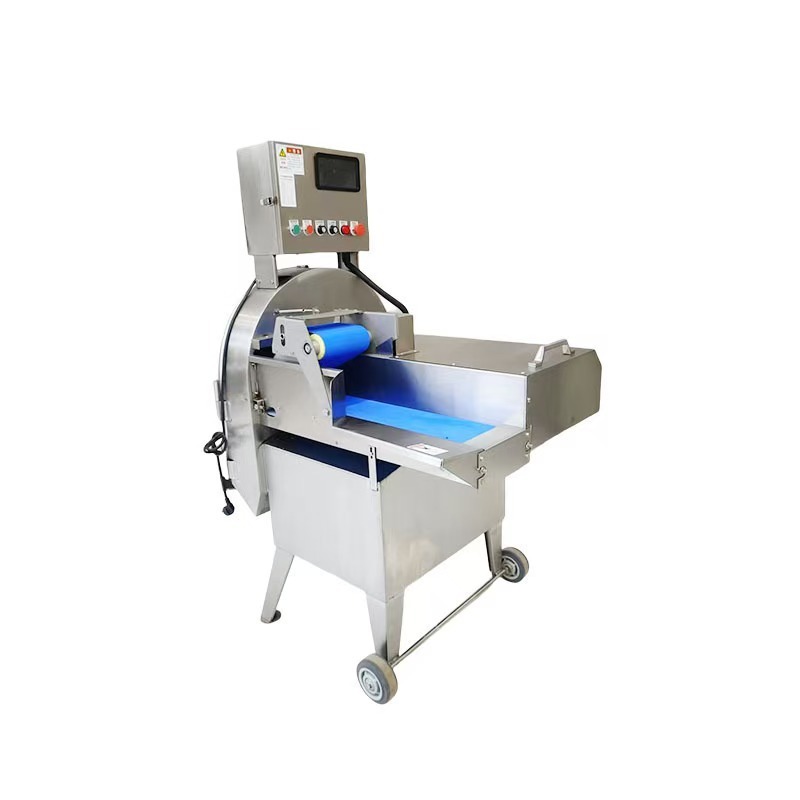
Based on working principles, leafy vegetable cutting machines can be classified into three main categories: rotary disc type, roller blade type, and specialized machines.
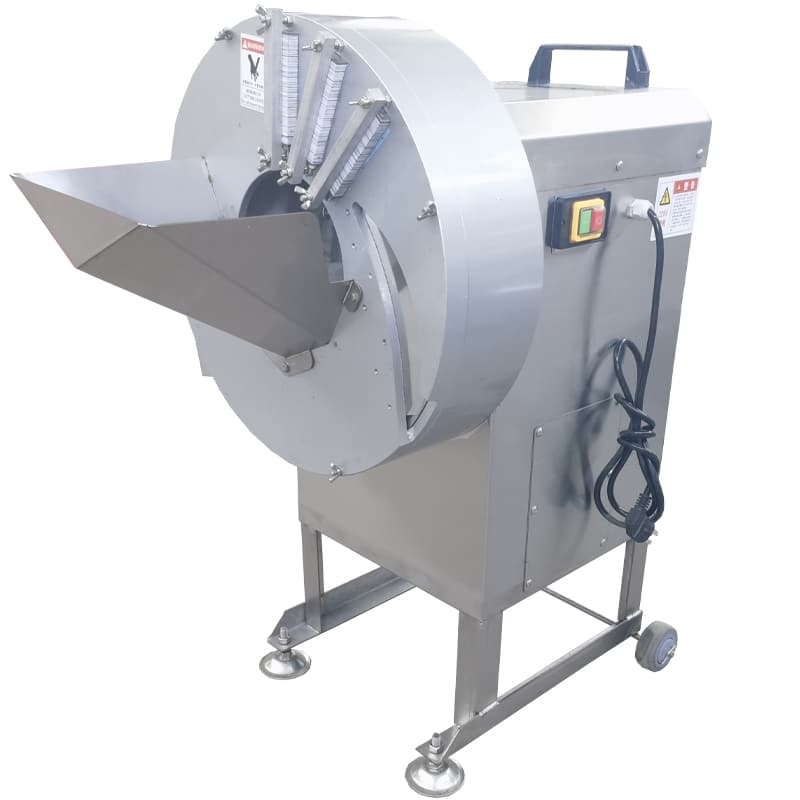
I. Rotary Disc Leafy Vegetable Cutting Machine
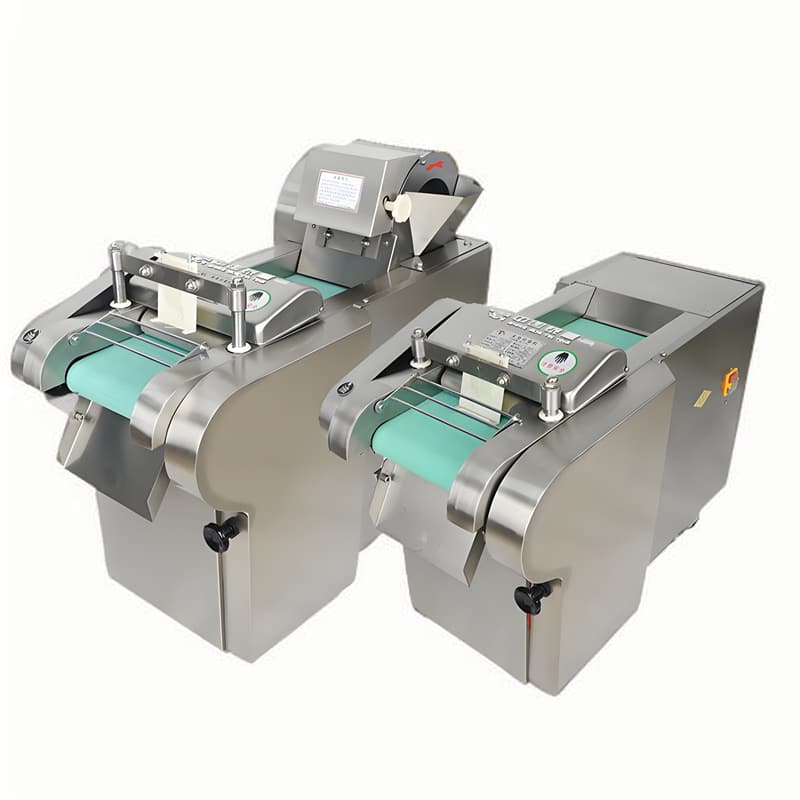
The core structure of a rotary disc leafy vegetable cutting machine consists of a spinning drum paired with fixed blades. As the drum rotates, the blades simulate the tearing motion of hand-cutting to process vegetables. This clever design allows it to handle a wide range of leafy greens, such as spinach, water spinach, celery, and chives. Whether it’s slender chives or broad spinach leaves, this machine can handle them with ease.
The cutting length is adjustable between 1–30mm, making it suitable for various dish requirements. In terms of models, there are versions like 20, 40, 80, and the industrial 806.
The Type 20 small vegetable cutting machine can process about 200 kg per hour, ideal for small restaurants and hotpot shops to meet their daily prep needs.
The 806 industrial vegetable slicer, on the other hand, can handle up to 1000 kg per hour, making it a powerful asset for large-scale food processing factories.
II. Roller Blade Leafy Vegetable Cutting Machine
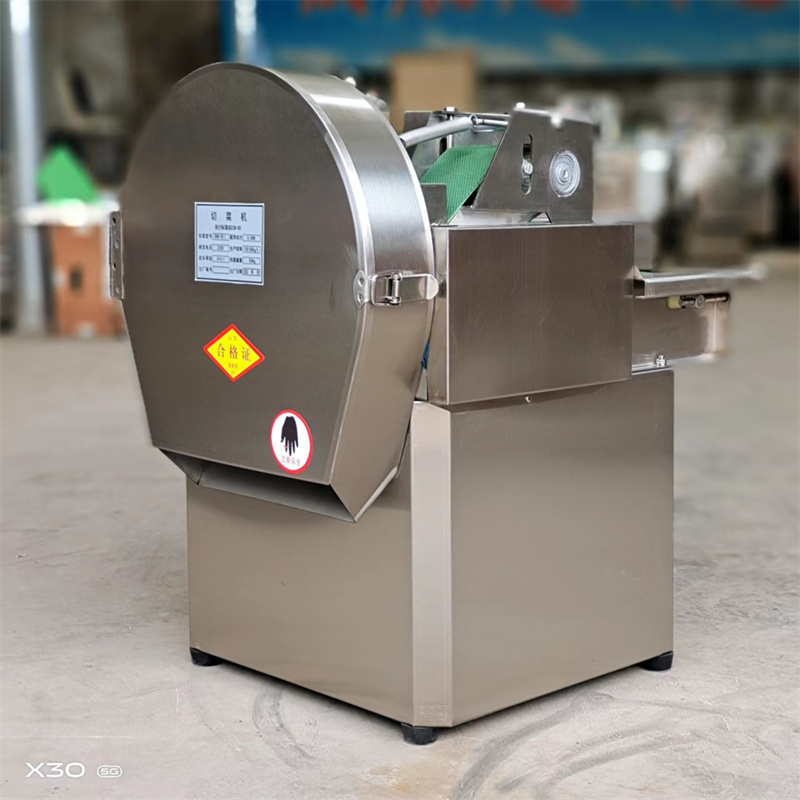
A classic example of a roller blade machine is the mushroom slicing machine. It follows the manual slicing principle: as the conveyor belt moves, ingredients are transported forward and cut the moment they contact the blade assembly.
This type of machine is excellent for soft vegetables, edible fungi, and fresh kelp, turning them into uniform strips or slices.
Its default cutting size is 3.5mm, but it also supports custom specifications to meet diverse processing needs. With an output of 500 kg/h, this model performs exceptionally well in mid-sized kitchens or small food processing workshops, consistently handling soft ingredient processing tasks.
III. Specialized Equipment
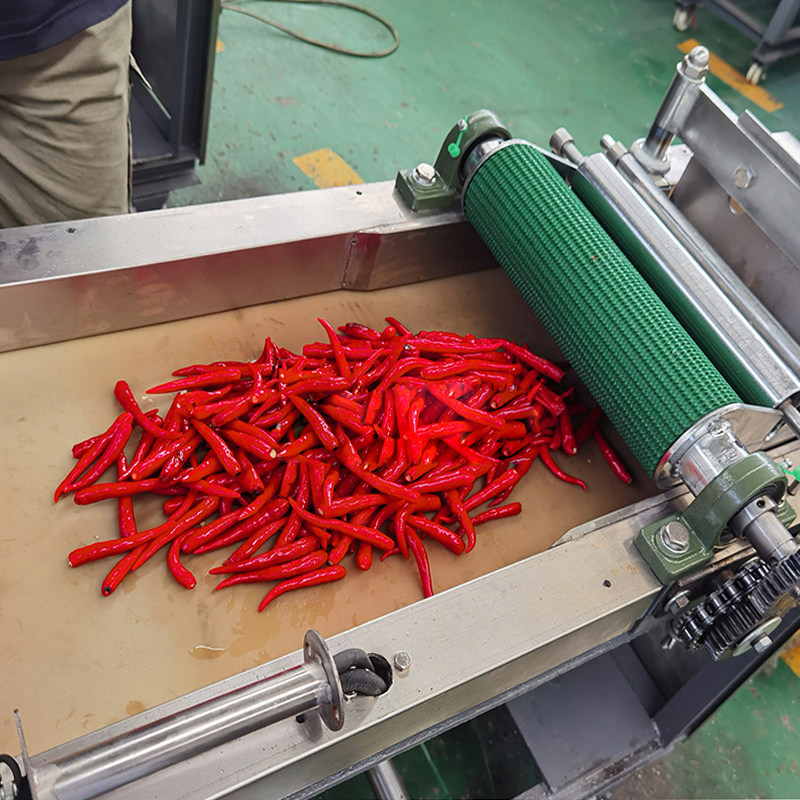
For tougher leafy vegetables like chili peppers or traditional herbs that require precision cutting, a reciprocating vegetable cutter comes into play. Equipped with a horizontally moving blade system, it allows precise control over slice width, ensuring clean and smooth cuts—crucial for ingredients that demand strict presentation.
These specialized machines include the pepper cutter machine, which is specifically designed to chop chilies into evenly sized pieces, ideal for producing chili paste and similar products. There’s also the herbal cutting machine, tailored for processing hard, herbal, leafy materials, ensuring the final slices meet medicinal standards.
Conclusion
Each type of leafy vegetable cutting machine offers unique advantages:
Rotary disc models are versatile and suitable for a wide range of vegetables,
Roller blade machines excel at handling soft ingredients,
Moreover, specialized cutters shine when dealing with tougher materials or when high precision is required.
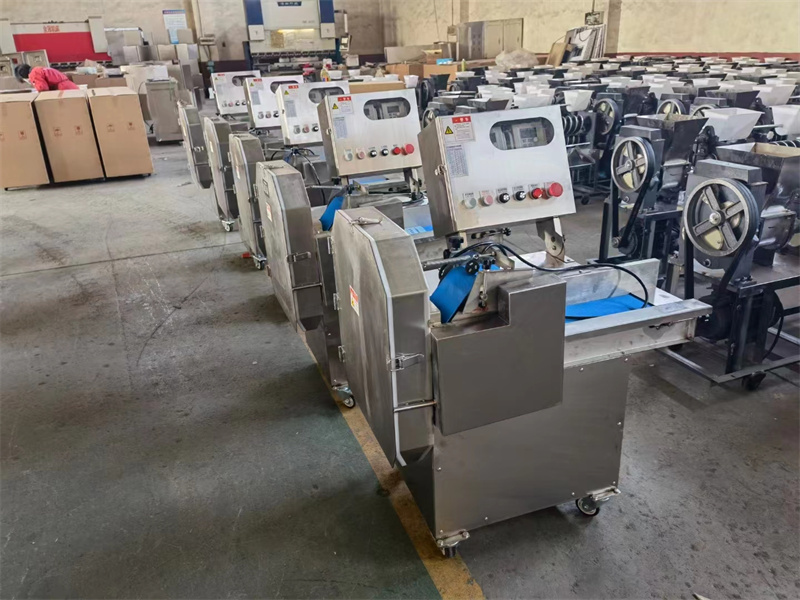
When choosing the right machine, users should consider their ingredient types, production volume, and processing requirements. A well-matched vegetable cutter can greatly improve productivity and consistency in any food production environment.
Related links: