Welcome to Jinan Jiaruichang Machinery Equipment Co., Ltd.
Points to Note When Buy Commercial Rice Steamer
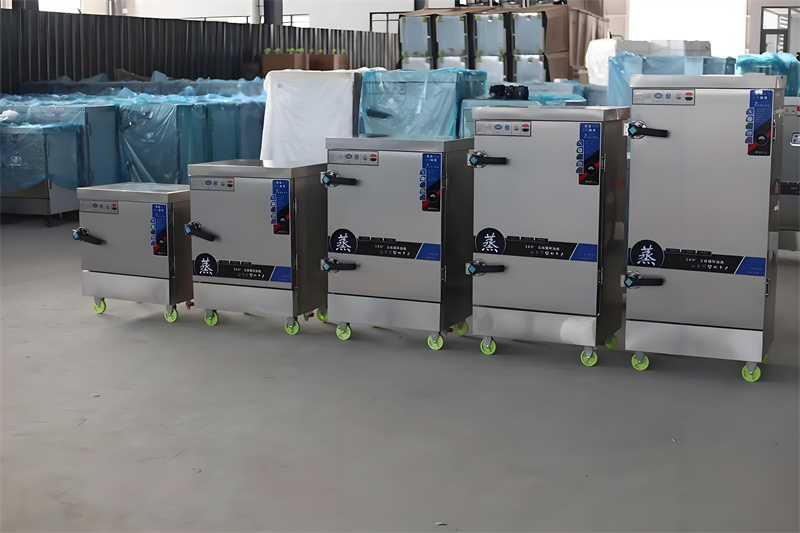
As a core appliance for steaming staple foods, selecting the right rice steamer requires careful evaluation of multiple factors.
1. Matching Capacity to Dining Scale
The capacity of a rice steamer should align with the daily customer flow. For example, a standard 6-tray model can prepare 150 servings per batch, making it suitable for small restaurants or community dining facilities. In contrast, a 24-tray model can serve up to 600 meals simultaneously, making it ideal for large-scale dining environments such as schools and factories.
2. Material Selection Determines Durability
The two most common materials for rice steamers are aluminum alloy and 304 stainless steel. While aluminum models have a lower upfront cost, they are prone to oxidation and corrosion over time, which may lead to metal residue contamination. 304 stainless steel steamers, though 30%-50% more expensive, offer superior corrosion resistance and acid-alkali durability, extending the appliance’s lifespan by 3-5 years while ensuring higher food safety standards.
3. Insulation Performance Affects Energy Efficiency
A well-designed insulation system consists of three key components:
A 50mm thick polyurethane foam layer, reducing heat loss by 70%
Double-layer stainless steel construction, creating a heat buffer
Widened silicone sealing strips (≥3cm) with magnetic closure, improving door sealing efficiency by 40%
Performance tests show that high-quality steamers can maintain a stable temperature of 65°C for up to 6 hours after shutdown, significantly reducing the need for reheating and lowering energy costs.
4. Enhanced Safety Features
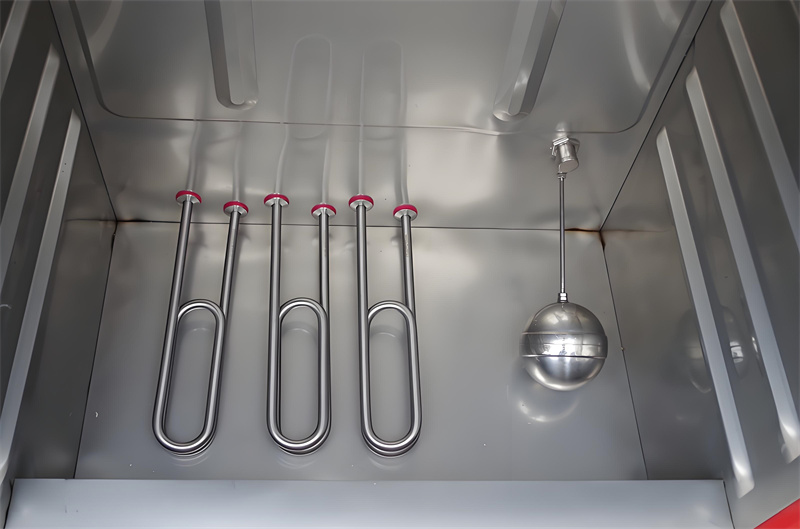
Dry-burning prevention technology is critical for operational safety. High-end models use a dual water level monitoring system, which automatically cuts off the heating power and activates an audible and visual alarm when water levels drop too low. Some brands go further with a thermal fuse protection system, which disconnects the circuit in extreme conditions to prevent damage. Additionally, the water-electricity separation design keeps the electrical components isolated from the steam chamber, effectively minimizing the risk of electric leakage.
5. Smart Control System for Convenience
Modern rice steamers are equipped with microcomputer control systems, allowing users to preset steaming durations and automatically switch to keep-warm mode upon completion. With a temperature control accuracy of ±1°C, these systems minimize manual adjustments. Advanced models also support multi-time scheduling, enabling restaurants to program the steamer the night before so that freshly steamed rice is ready in the morning—cutting down prep time and streamlining kitchen operations.
6. Overflow Protection System
A gravity-based drainage system automatically activates an emergency drainage process within 30 seconds when excess water is detected, preventing scalding hazards. Some models also feature built-in drainage filters, preventing rice residue from clogging the pipes and ensuring long-term system stability. This design operates without requiring additional energy, demonstrating a thoughtful approach to safety and reliability.
Conclusion
A high-quality commercial rice steamer can boost kitchen efficiency by over 30% while ensuring consistent food quality and safety. When selecting a unit, it's essential to look beyond technical specifications and consider how well the steamer fits into your kitchen workflow. Choosing the right steamer will not only enhance daily operations but also contribute to higher overall business profitability.
For prices, please refer to (What is the commercial rice steamer price)
FAQ
Q1: How do I choose the right size commercial rice steamer for my business?
A1: Match the steamer’s capacity with your daily meal output. A 6-tray model is suitable for serving around 150 meals per batch—ideal for small restaurants or cafeterias. Larger operations, like schools or factories, should consider 24-tray models, which can produce up to 600 servings per batch.
Q2: What safety features should a high-quality rice steamer include?
A2: Look for dual water level monitoring with auto shutoff, dry-burn protection, thermal fuse safety systems, and water-electricity separation to prevent leaks. These features ensure safe daily operation, especially in high-volume kitchens.
Q3: How does insulation affect the energy efficiency of a rice steamer?
A3: Good insulation (e.g., 50mm polyurethane foam, double-layer stainless steel, magnetic sealing strips) helps retain heat for up to 6 hours, cutting down on reheating costs. This results in up to 70% less heat loss and improved energy efficiency.