Welcome to Jinan Jiaruichang Machinery Equipment Co., Ltd.
what does dough kneader machine means
A dough kneader machine is an essential piece of equipment in modern food processing, designed to efficiently knead and prepare dough for various baked and cooked goods. Whether used in home kitchens, bakeries, or large-scale food production, these machines enhance efficiency, ensure consistency, and simplify the dough preparation process. In this guide, we’ll explore how dough kneader machines work, their classifications, maintenance tips, and industry trends.
Understanding Dough Kneader Machines
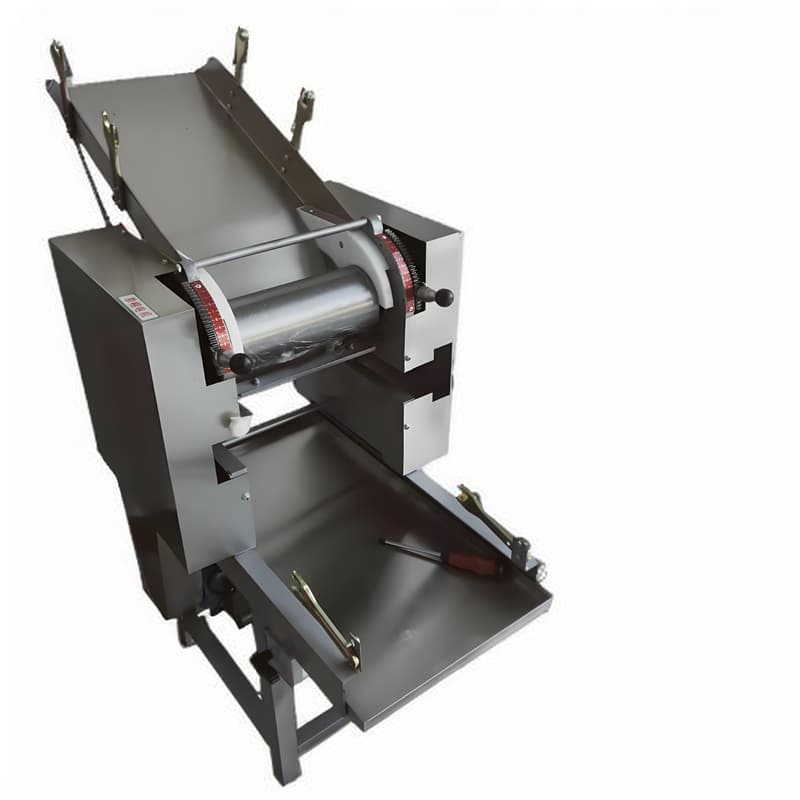
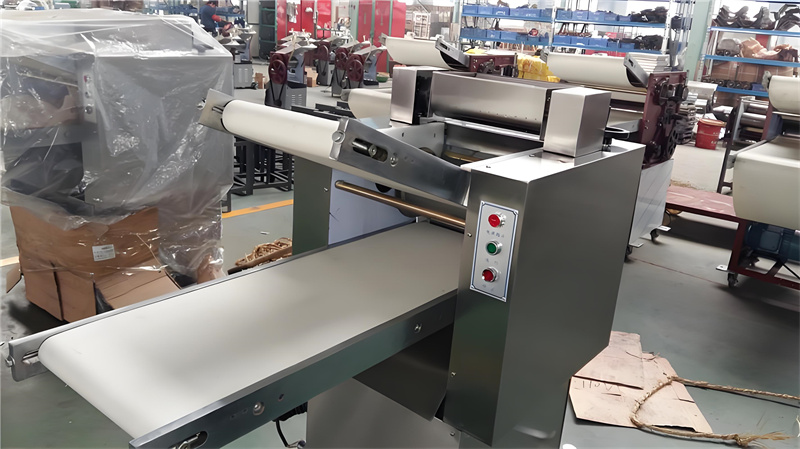
A dough kneader machine is a mechanized food processing device that automates the kneading and rolling of dough, replacing traditional manual labor. It is widely used in both home kitchens and commercial bakeries to ensure the dough is mixed and stretched uniformly, enhancing its texture and elasticity.
The core function of a dough kneader machine is to press, fold, and stretch dough to the desired consistency. This makes it ideal for preparing dough for bread, pastries, dumplings, noodles, and other flour-based foods.
Technology & Types of Dough Kneader Machines
1. Key Technologies
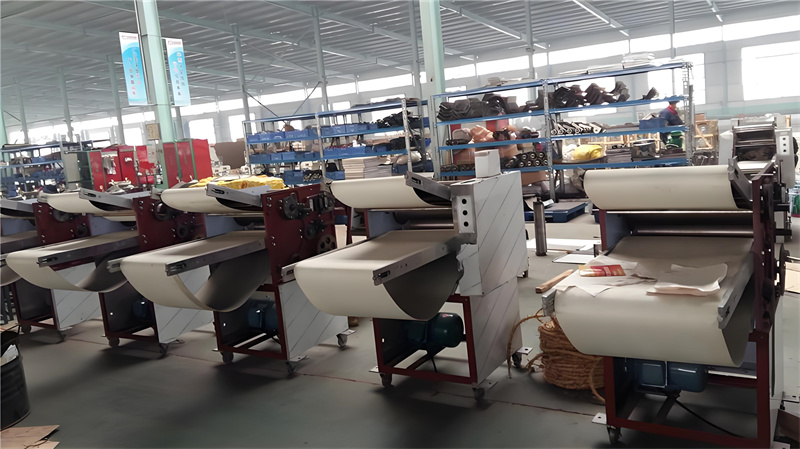
Modern dough kneaders utilize advanced rolling technology to ensure optimal dough texture. Two primary features include:
✔ Dual-Roller Angle Optimization – Precisely designed rollers help knead the dough evenly, mimicking the manual kneading process to achieve better elasticity.
✔ Adjustable Thickness (1-20mm) – The dough can be processed to various thickness levels, making it suitable for different types of bread, pastries, and noodles.
2. Product Classification
Dough kneader machines are classified based on their functionality and intended usage:
✔ Home Use:
Manual Dough Kneaders – Simple, hand-operated models for small-scale dough preparation.
Electric Dough Kneaders – Designed for convenience, with motor-powered kneading functions.
✔ Commercial Use:
Continuous Kneading Machines – Designed for high-volume production, commonly used in bakeries and restaurants.
Fully Automatic Dough Kneaders – Advanced machines with programmable settings, ideal for industrial food production.
How to Use & Maintain a Dough Kneader Machine
1. Operating Guidelines
✔ Proper Dough Ratio – Maintain the right balance of flour, water, and yeast for the best dough consistency.
✔ Multiple Rolling Passes – To achieve the ideal texture, pass the dough through the machine several times, gradually adjusting the thickness.
2. Maintenance Tips
✔ Lubricate Chain, Gears, and Belts – Regular maintenance ensures smooth operation and prevents wear and tear.
✔ Clean the Rollers After Each Use – Prevent dough residue buildup by thoroughly wiping down the rollers after every batch.
Buying Guide: Choosing the Right Dough Kneader Machine
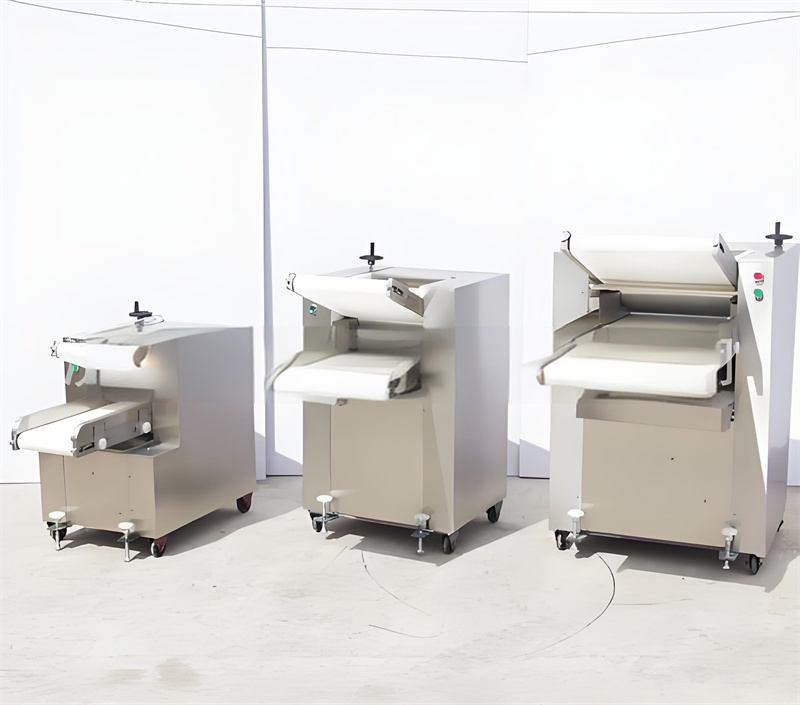
1. For Home Use
✔ Capacity – Choose a machine that suits your daily dough-making needs.
✔ Material Quality – Opt for stainless steel rollers for durability and hygiene.
✔ Additional Features – Some machines include attachments for cutting noodles or shaping dumpling wrappers.
2. For Commercial Use
✔ Production Capacity – Select a machine that matches your bakery or restaurant’s dough output requirements.
✔ Customization Options – Some manufacturers offer customized kneading settings to suit specific production needs.
✔ After-Sales Support – Ensure the manufacturer provides reliable warranty and maintenance services
Industry Applications & Future Trends
1. Where Dough Kneader Machines Are Used
✔ Industrial Kitchens & Restaurants – Ensuring consistent dough quality for large-scale production.
✔ Food Processing Factories – Used for pre-processing dough before large-scale baking or packaging.
2. Future Development Trends
✔ Smart Automation – Integration of AI-controlled kneading settings for precision.
✔ Low-Energy Consumption – More energy-efficient designs to reduce operational costs.
✔ Eco-Friendly Materials – Adoption of BPA-free and food-safe materials for better sustainability.
Conclusion
A dough kneader machine is a vital tool for both home cooks and commercial food businesses, ensuring efficiency, consistency, and superior dough quality. Whether you're making handmade pasta, dumplings, or large-scale baked goods, investing in the right machine can significantly improve your workflow.
FAQ
Q1: What is a dough kneader machine and what does it do?
A1: A dough kneader machine is a food processing device that automates the kneading, folding, and stretching of dough. It replaces manual kneading to improve consistency, elasticity, and production efficiency. It’s widely used for preparing dough for bread, noodles, dumplings, and pastries in both home and industrial settings.
Q2: What types of dough kneader machines are available for commercial use?
A2: For commercial applications, there are two main types:
Continuous Kneading Machines – Ideal for bakeries and restaurants requiring high-volume, consistent dough output.
Fully Automatic Dough Kneaders – Feature programmable settings for industrial-scale production, offering time-saving and customization benefits.
Q3: How do I maintain a dough kneader machine for long-term use?
A3: Regular maintenance is crucial. Clean the rollers thoroughly after each use to avoid dough buildup. Lubricate key components such as chains, gears, and belts to reduce wear and ensure smooth operation. Following these steps helps extend the machine’s lifespan and maintains optimal performance.