Welcome to Jinan Jiaruichang Machinery Equipment Co., Ltd.
What is the dough divider rounder machine price?
In baking production, the dough divider rounder machine is a key piece of equipment for improving efficiency and standardizing operations. The mainstream prices range from $400 to $1000, depending on the features and configurations. This price range caters to the core needs of small to medium-sized bakeries and mid-sized food processing plants. Identifying the relationship between your budget and requirements is crucial when selecting a machine.
Two Key Variables
The price of a dough divider machine is primarily determined by two factors: dough weight adaptability and hopper capacity, both of which directly affect the machine’s flexibility and production efficiency.
1. Dough Weight
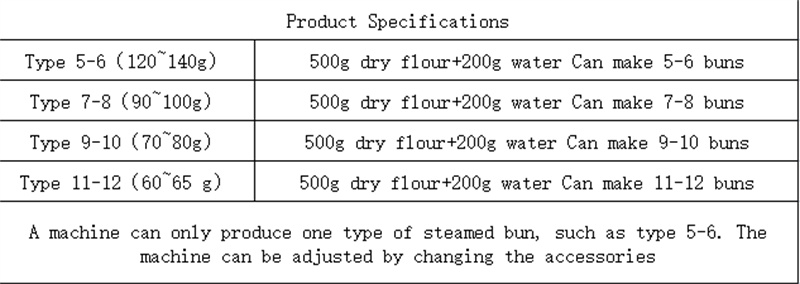
Single-Specification Models ($400 range): These machines support only a fixed dough weight range (e.g., one specific weight between 30g and 140g), making them suitable for small-scale bakeries with a single product line. For instance, if only 80g dinner rolls are needed, this model offers the best value for the money.
Multi-Specification Models ($800 range): These machines support full-range adjustments from 30g to 140g by adding a modular output system and replaceable forming trays. This type is ideal for businesses that need to produce multiple products simultaneously, such as European breads or sweet dough of varying weights. While the initial investment is higher, it eliminates the need for purchasing multiple machines.
2. Hopper Capacity
Flat Tray Hopper (Basic Model): Holds 2-3kg of dough per batch, ideal for production volumes of less than 500 units per day, with prices starting at around $400.
High Hopper (Upgraded Model): Holds 10-15kg per batch, allowing continuous operation for 1-2 hours and reducing the need for frequent manual dough feeding. This model typically costs about $200 more than the flat tray version and is recommended for medium-sized bakeries producing over 1000 units per day.
Material Selection and Durability
In addition to basic functionality, the material choice of the equipment directly influences long-term operating costs. Pay attention to two key components:
1. Forming Tray
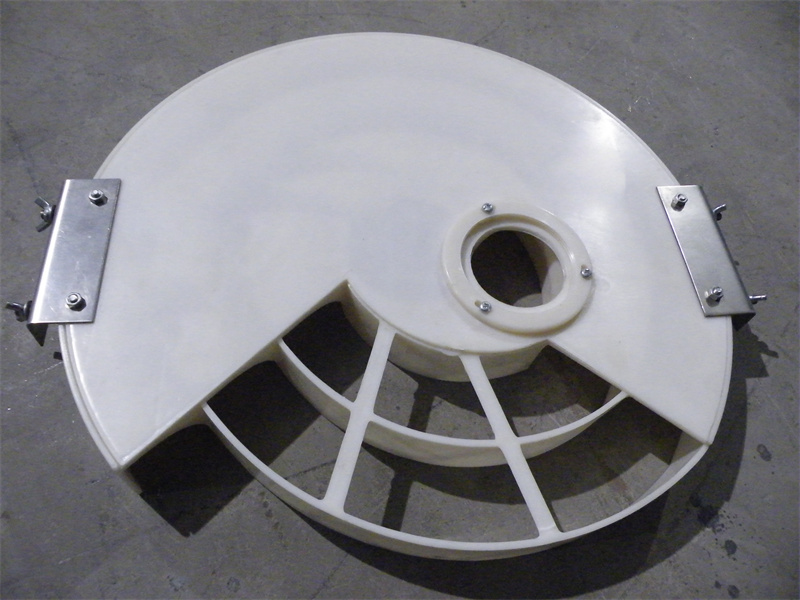
Standard Plastic Tray ($50): Suitable for dough weights between 70g to 140g, with average durability, ideal for low-frequency usage.
Custom Aluminum Tray ($100): Designed for smaller dough weights (e.g., 50g dinner rolls), offering higher precision and resistance to deformation, perfect for high-frequency production.
2. Core Component Materials
Cast Iron Frame + Standard Auger ($400 range): A cost-effective choice but may experience wear over time, especially with frequent use, which could lead to maintenance costs (e.g., auger jamming).
Aluminum Frame / 304 Stainless Steel Auger ($800-$1000 range): Highly corrosion-resistant, ideal for high-humidity environments (such as frozen dough processing), with a life expectancy more than twice that of cast iron models.
Conclusion
The price difference in dough divider rounder machines essentially represents a trade-off between production efficiency and durability. The $400 models are suitable for entry-level needs, while $800-$1000 models offer flexible dough weight adjustments, large capacity hoppers, and superior materials, providing reliable support for scaled production. It is recommended that buyers base their decision on a 3-year demand forecast, avoiding the temptation to save costs in the short term at the expense of long-term operational efficiency.
FAQ
Q1: What is the price range of a commercial dough divider rounder machine?
A1: Prices typically range from $400 to $1,000, depending on capacity, weight adjustability, and material quality. Basic models suit small bakeries, while upgraded versions support large-scale production.
Q2: What factors influence the price of a dough divider rounder machine?
A2: The main factors are dough weight range, hopper capacity, and material durability. Machines with adjustable weight settings and larger hoppers tend to cost more but offer greater efficiency.
Q3: Should I choose a single-weight or multi-weight dough divider model?
A3: If your bakery produces one product type (e.g. 80g buns), a single-weight model around $400 is cost-effective. For mixed production lines, a multi-weight model (~$800) offers greater flexibility.