Welcome to Jinan Jiaruichang Machinery Equipment Co., Ltd.
Usage and Maintenance of Commercial Electric Rice Steamers
A commercial electric rice steamer, also known as a rice steaming cabinet, rice steamer, or steaming box, is a large-scale kitchen appliance widely used in schools, hotels, and other food service establishments. It utilizes electric heating to efficiently steam rice while also being capable of steaming buns, dumplings, and meats. This article provides an overview of the proper usage and daily maintenance of a rice steamer to extend its service life.
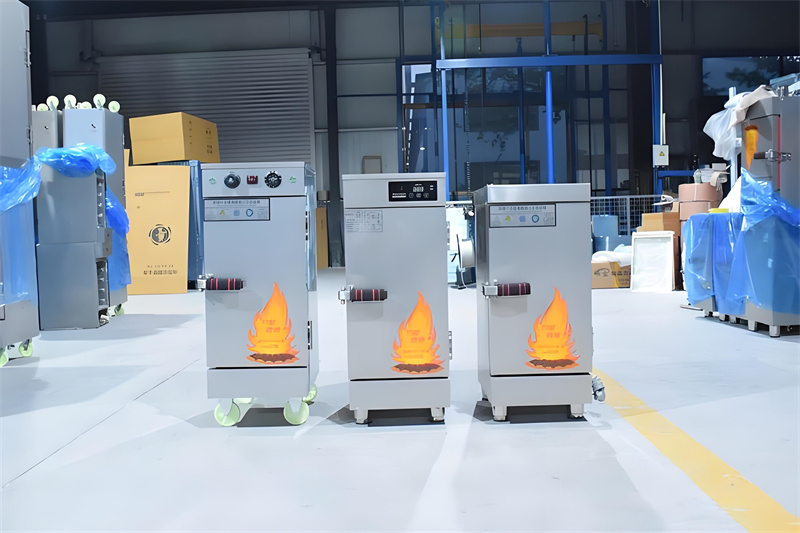
Key Points for Using a Commercial Rice Steamer
1. Electrical Safety
Ensure that a leakage protection switch is installed and carefully check all electrical wiring.
The outer shell must be properly grounded, and all wiring connections must be secure and reliable.
Never use the steamer if the leakage protection switch is not installed or if grounding is ineffective.
To prevent damage due to excessive power load, always use wires of adequate thickness corresponding to the steamer’s power rating.
A qualified electrician should perform all electrical work.
2. Water Supply Check
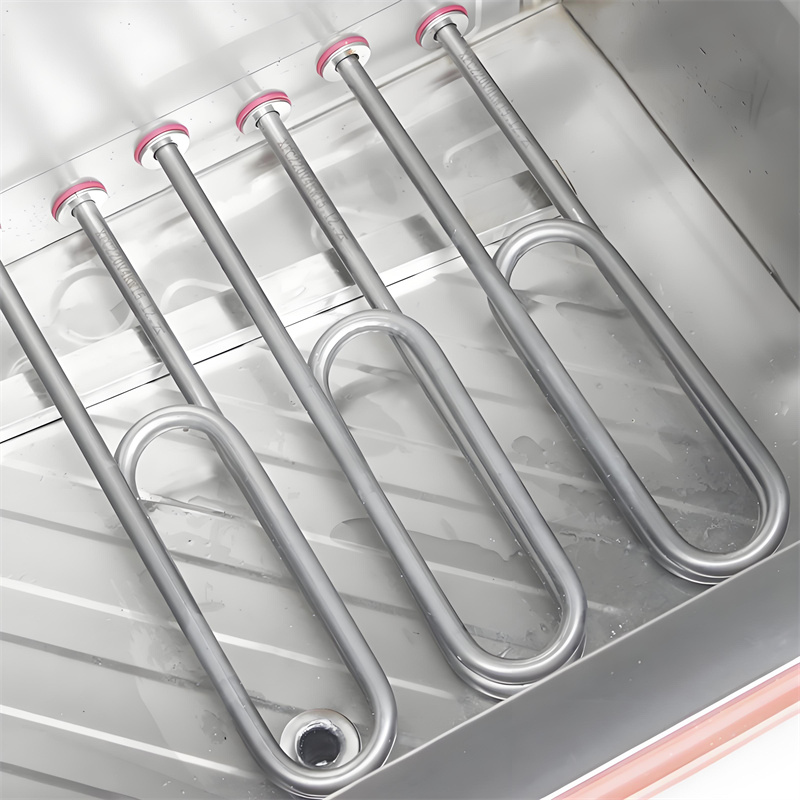
Ensure that the water level in the tank fully covers the heating elements before powering on the steamer.
Never operate the steamer without water, as dry heating can severely damage the heating components.
3. Safe Operation
The rice steamer is not a high-pressure sealed container, so slight steam leakage from the door seam is normal.
After steaming is complete, stand to the side when opening the door and open it slowly to prevent burns from escaping steam.
4. Corrosion Prevention
Avoid contact between the steamer’s outer shell and acidic or alkaline substances, as these can cause corrosion and oxidation.
5. Cleaning and Maintenance
After each use, clean the steaming chamber and wipe the heating elements regularly to maintain cleanliness.
It is recommended to clean the steamer twice a week, but avoid using hard metal scrapers that could damage the surface.
Regularly replace the water in the tank to ensure the steamer operates efficiently and lasts longer.
Steamer Maintenance Guide
1. Pressure Relief Valve Maintenance
The pressure relief valve plays a critical role in releasing excess steam and maintaining system stability.
Ensure that the valve remains unobstructed, and never block or modify the steam outlet with external pipes, as this could cause blockages and accidents.
Proper valve maintenance helps prolong the steamer’s lifespan and ensures safe and stable operation.
2. Float Valve and Water Flow Check
If the water inlet becomes clogged with scale or debris, clean it immediately to prevent water shortage and dry heating.
3. Water Drainage and Descaling
After each use, drain all remaining water from the tank to prevent limescale buildup.
To prevent scaling on the float valve and heating elements, it is recommended to remove limescale at least once a week.
If your area has hard water with high mineral content, increase the cleaning frequency accordingly.
Limescale buildup on the heating elements significantly reduces efficiency, leading to longer cooking times.
If limescale forms, add a 5% citric acid solution (or a professional descaling agent) to the water tank, heat the solution for 15 minutes, then drain the dirty water and rinse thoroughly with clean water.
By following these usage guidelines and maintenance procedures, you can ensure the longevity, efficiency, and safety of your commercial rice steamer.
For prices, please refer to (What is the commercial rice steamer price)
FAQ
Q1: How do I safely operate a commercial electric rice steamer?
A1: Always ensure proper grounding and use a leakage protection switch. Never power on without water covering the heating elements to avoid dry heating damage.
Q2: What daily maintenance does a commercial rice steamer require?
A2: Clean the steaming chamber after each use, wipe heating elements regularly, and replace the water often to prevent limescale buildup and maintain efficiency.
Q3: How often should I descale the rice steamer?
A3: At least once a week. If using hard water, increase the frequency. Use a 5% citric acid solution or descaling agent to clean the tank and heating components.
Q4: What should I check to prevent water flow issues in the rice steamer?
A4: Regularly inspect the float valve and inlet for scale or debris. Clean blockages immediately to avoid dry heating or low steam output.