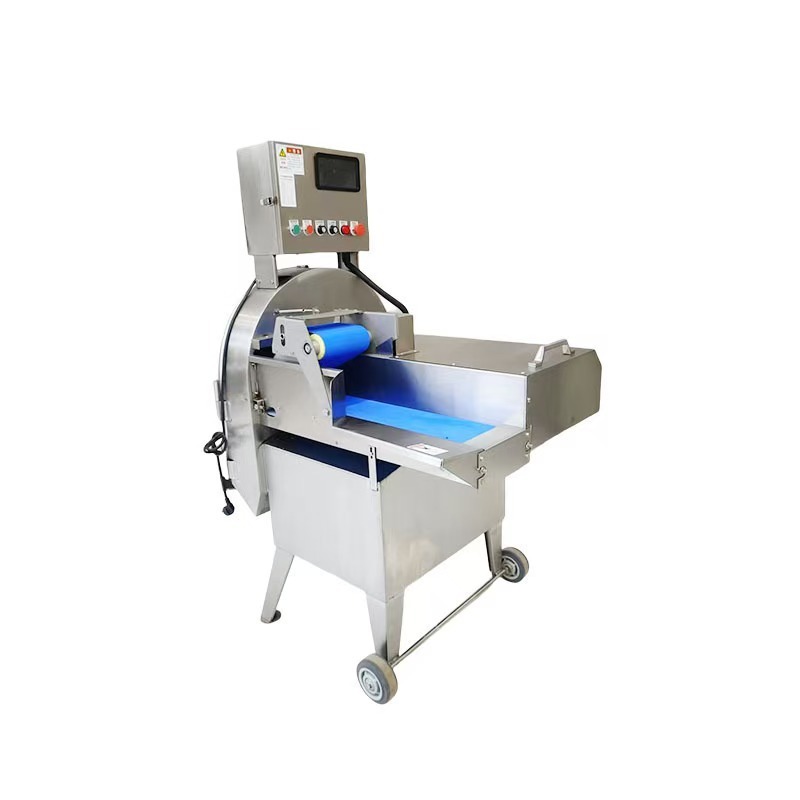
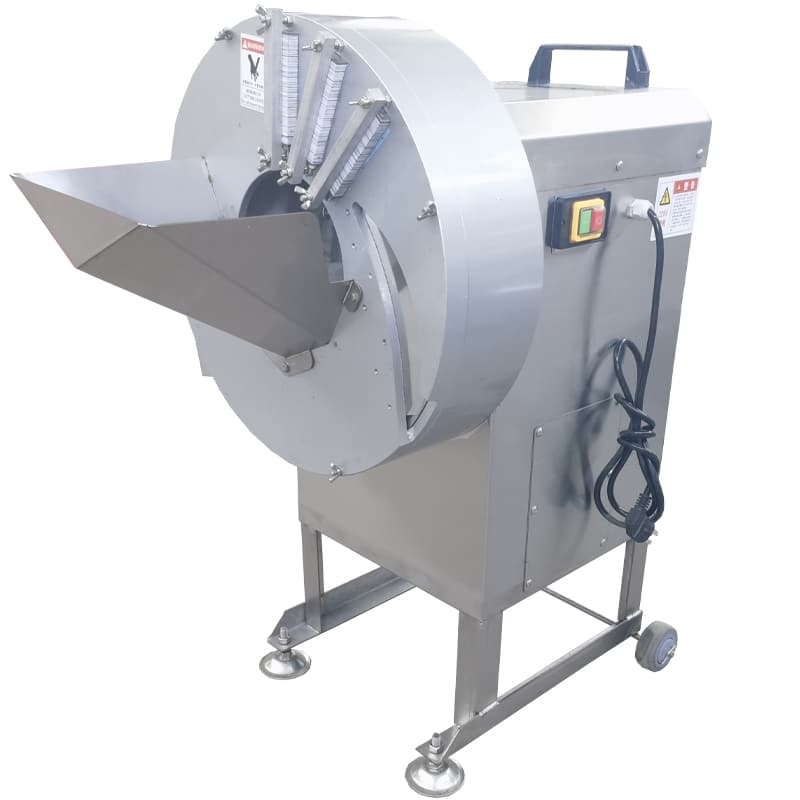
Welcome to Jinan Jiaruichang Machinery Equipment Co., Ltd.
Why commercial dough divider machine is suitable for making bread
In commercial baking, efficiency, consistency, and quality are key factors determining success. Why is the dough divider considered the most suitable machine for bread production among the many machines available in the market? What are its advantages? Let’s explore the reasons.
1. Accurate weight
One of the most critical aspects of making bread is ensuring that each dough portion is uniform in size and weight. Commercial dough dividers use quantitative cutting, accurately dividing the dough into equal parts. This eliminates inconsistencies that may arise from manual portioning, ensuring that each loaf of bread has the same appearance and weight
For bakeries producing large quantities of bread, this consistency is vital for maintaining product quality and meeting customer expectations.
2. Enhanced Production Efficiency
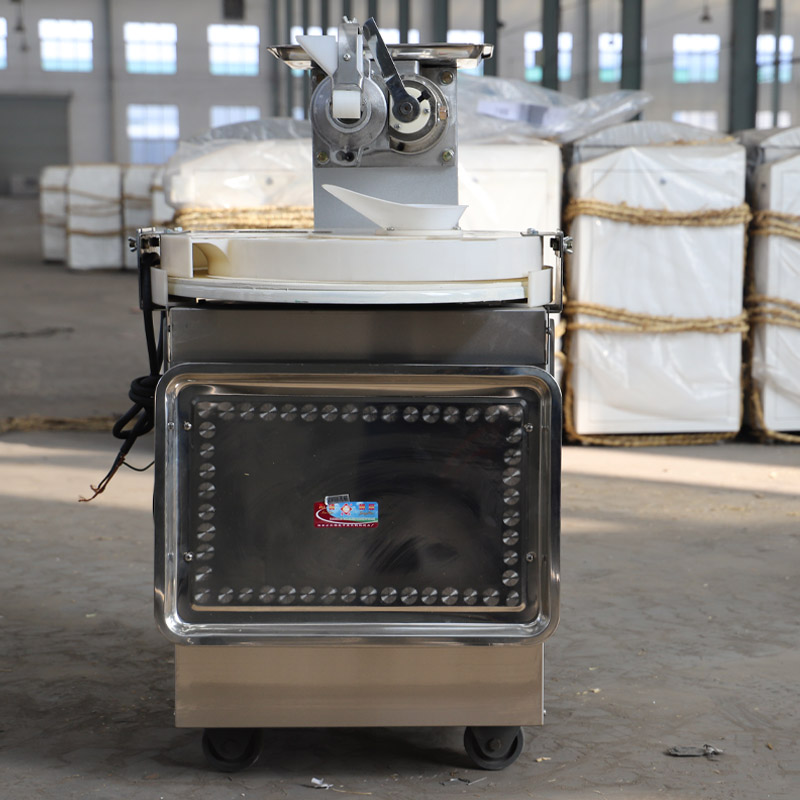
The commercial dough divider, with its automated cutting system, can produce up to 1,800 dough pieces per hour. The dough weight is adjustable from 30g to 150g, significantly increasing production efficiency.
3. Versatility for Different Bread Types
Commercial dough divider machines are versatile and can handle a wide range of dough types, from soft and sticky doughs used for buns to firmer doughs for artisan bread.
4. Hygienic and Safe Operation
Most commercial dough divider machines are made with food-grade materials, such as stainless steel, ensuring that they meet strict hygiene standards. Additionally, the automated process reduces direct human contact with the dough, minimizing the risk of contamination.
5. Scalability for Growing Businesses
As bakeries grow and demand increases, manual dough division can become a bottleneck in production. A commercial dough divider machine is scalable, allowing businesses to handle larger volumes of dough without compromising on quality or efficiency.
Conclusion
The commercial dough divider is an indispensable tool in modern bread-making processes. Whether you run a small bakery or a large pastry factory, investing in a dough divider can enhance your operational efficiency and help you meet the growing demand for high-quality bread.
FAQ
Q1: Why is a commercial dough divider machine ideal for bread production?
A1: A commercial dough divider ensures accurate weight control, dividing dough into equal portions with high precision. This guarantees consistency in loaf size and weight—critical for maintaining quality in large-scale bread production.
Q2: Is the commercial dough divider machine safe and hygienic to use?
A2: Absolutely. Most models are constructed from food-grade stainless steel and feature automated processes that reduce direct contact with dough. This minimizes contamination risk and complies with hygiene standards required in commercial baking.