Welcome to Jinan Jiaruichang Machinery Equipment Co., Ltd.
Why a Small Dough Divider Is the Ideal Choice for Artisan Bakeries
In bakeries filled with the warm aroma of wheat, artisan bread shops shape their unique personality through passion and craftsmanship. But they also face a practical dilemma: the warmth of kneading handmade dough is often drained by the repetitive labor of manual dividing, while the high-speed precision of industrial machines fails to align with the flexibility required by small shops. So, how can these bakeries preserve the soul of handmade baking while breaking through efficiency limits?
The answer lies in the small dough divider.
Efficiency Revolution: Freeing Hands to Focus on Creation
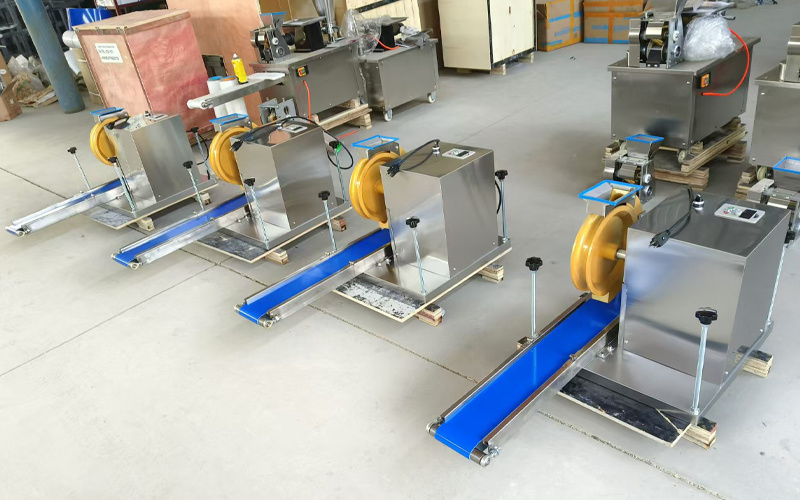
Manual dough dividing is a battle of muscle and patience—a skilled baker can only handle about 20 kilograms of dough per hour, and errors requiring rework further squeeze productivity. With the introduction of a small dough divider, output jumps to 80–100 kilograms per hour, equating to the workload of three to five skilled workers.
A neighborhood bakery in Shanghai found that the machine saved 30% of their working time, allowing them to develop new baguette and croissant recipes. This is not about machines replacing craftsmanship but about handing over repetitive tasks to technology so bakers can focus their energy on creativity.
Precision Matters: Every Gram Builds Trust
Manual dividing often results in weight variances of 5–10 grams, which can lead to uneven baking: some loaves in the same batch may be burnt on the outside and raw inside, while others turn out dry and tough. A small dough divider keeps the margin of error within 2 grams, essentially giving each dough piece a unique ID.
Consistent quality is the true driver of customer loyalty, and precision makes that possible.
Big Business in a Small Space
Traditional industrial dividers take up too much space, while a compact divider requires only 0.5 square meters—roughly the size of a single proofing cabinet. Not only does it occupy less space, but it also drastically reduces energy costs.
More importantly, it supports small-batch, customized production, turning flexibility into a core competitive advantage.
A Tech-Powered Chapter in the Handcrafted Story
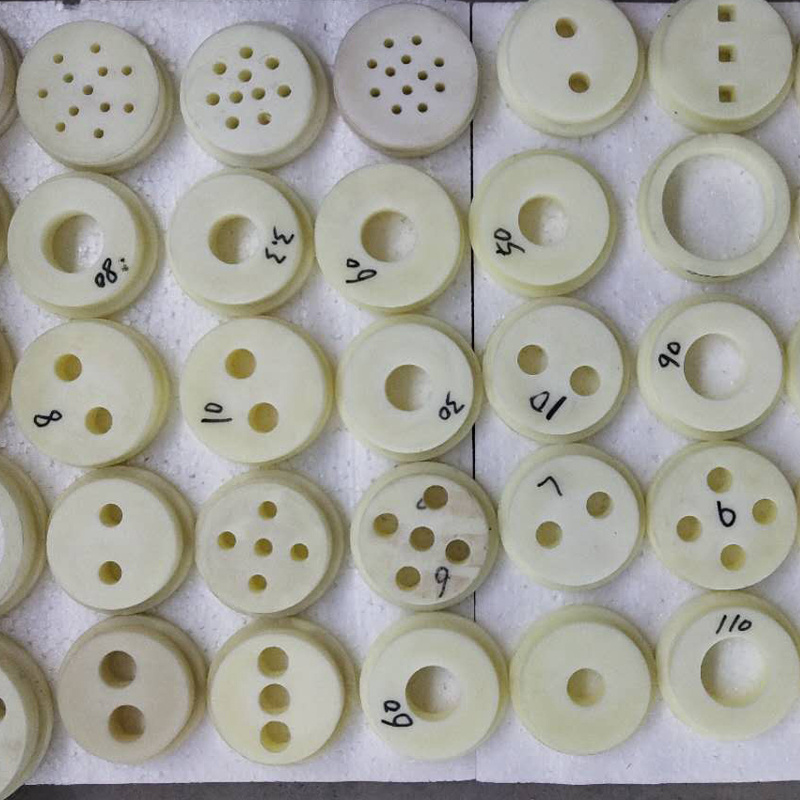
Worried a machine might erase the charm of handmade baking? Don’t be. The small dough divider only handles the basic task of cutting—the shaping and final touches are still done by hand. This semi-automated approach maintains the “handmade” label while enabling greater productivity.
As younger consumers (like Gen Z) look for both the ritual of handcrafted baking and the convenience of grab-and-go service, only those bakeries that strike the right balance will win both their hearts and their appetites.
Conclusion: Giving Traditional Craftsmanship a Smart Engine
The small dough divider is not a cold, metallic intruder—it’s a partner in the artisan workshop. It preserves the spirit of quality with precise measurement, unleashes creativity by freeing up hands, and lays the foundation for growth with lightweight investment.
As the baking industry stands at the crossroads of efficiency and authenticity, true wisdom lies in this: let technology become the hands behind the baker, not the face that replaces them.
FAQ
Q1: Why should artisan bakeries consider using a small dough divider?
A1: A small dough divider significantly boosts efficiency, processing up to 80–100 kg of dough per hour, compared to just 20 kg manually. This allows bakers to focus more on creativity and recipe innovation, without sacrificing the handcrafted quality of their products.
Q2: Does using a small dough divider affect the handmade nature of artisan bread?
A2: Not at all. The small dough divider only performs basic cutting, while shaping and finishing remain manual processes. This semi-automated approach supports traditional craftsmanship while improving consistency and reducing fatigue.
Q3: How precise is a small dough divider compared to manual dividing?
A3: Manual dividing can have weight variances of 5–10 grams, leading to uneven baking results. A small dough divider maintains precision within ±2 grams, helping bakeries achieve consistent product quality and build customer trust.
Q4: What makes a small dough divider suitable for limited bakery space?
A4: Designed with small shops in mind, it occupies only 0.5 square meters—less than a standard proofing cabinet. It also reduces energy usage and supports small-batch, custom production, making it a perfect fit for artisan bakeries with limited floor space.
Related links: