Welcome to Jinan Jiaruichang Machinery Equipment Co., Ltd.
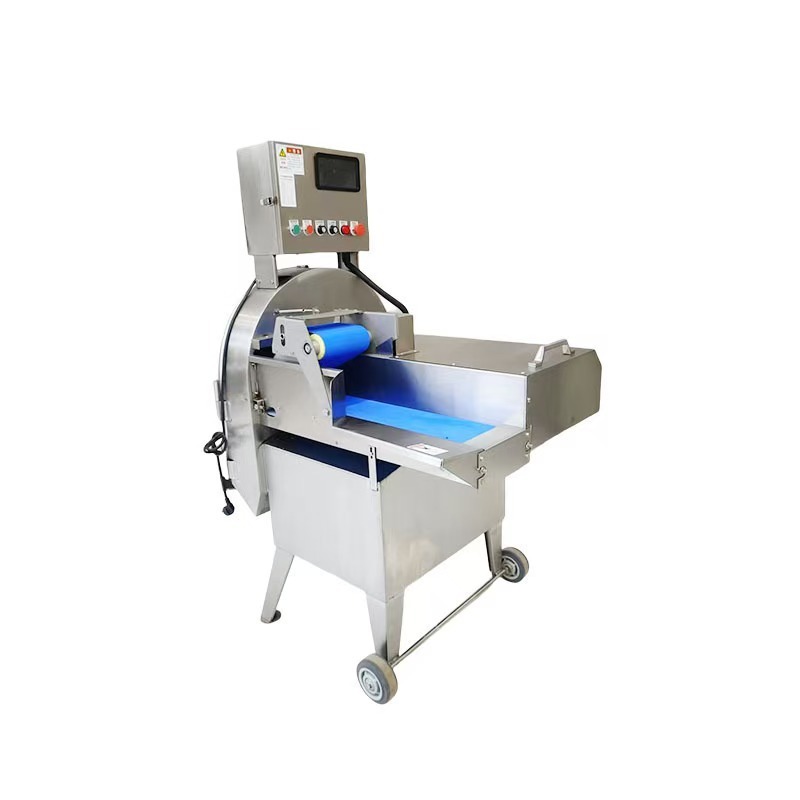
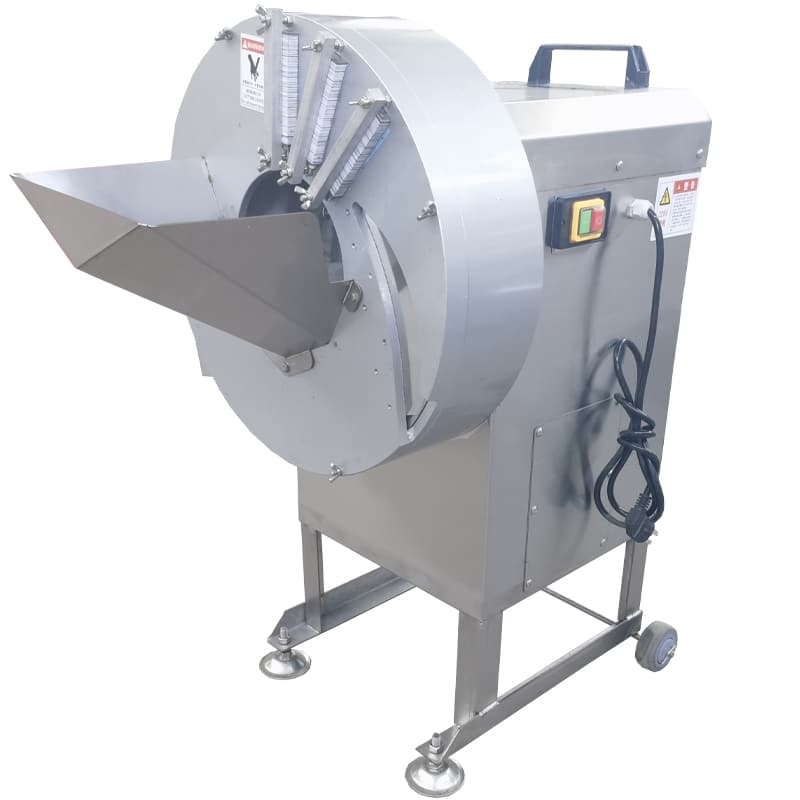
Kitchen Vegetable Cutting Machine: A Revolution in Batch Cooking Efficiency
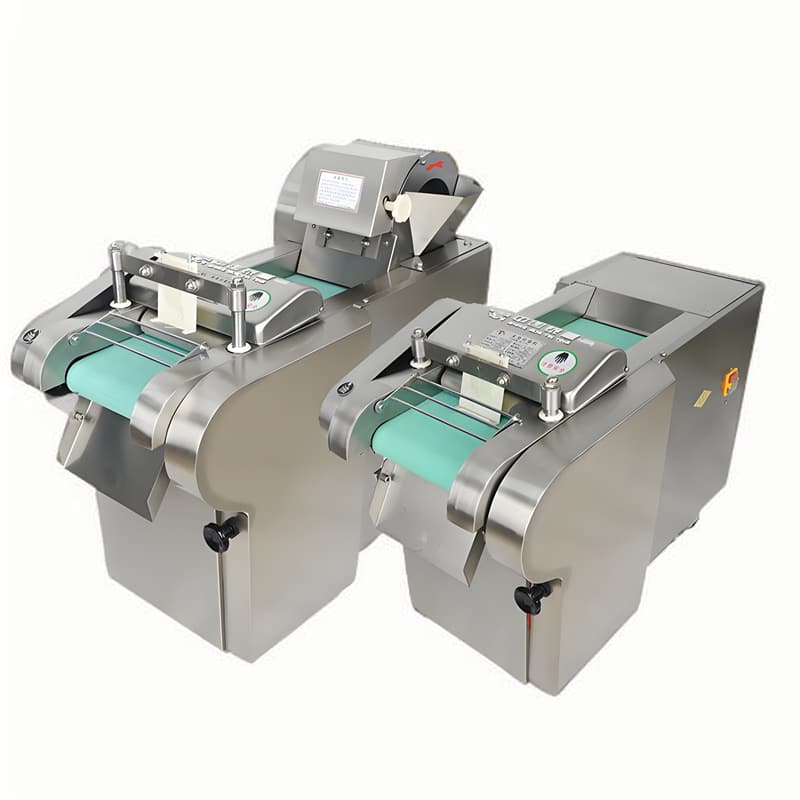
In commercial kitchens, the gap between manual prep speed and meal delivery demands is becoming increasingly apparent. As customer volume spikes, how can restaurants maintain a steady supply of dishes without compromising ingredient quality? The emergence of the kitchen vegetable cutting machine offers a highly efficient and reliable answer to this challenge.
1. Crushing Efficiency: Hundreds of Pounds Processed Per Minute
Regarding processing speed, the kitchen vegetable cutting machine shows overwhelming advantages. For example, the manual cutting of carrot strips caps at around 10 kg per hour, while a machine can handle 200–300 kg per hour, boosting efficiency by 20 to 30 times.
According to field data from Subway, a major U.S. fast-food chain, prep time during lunch rushes dropped by 65% after the machine was introduced, greatly easing pressure during peak service hours. This kind of efficiency frees staff from repetitive prep work, allowing them to focus on culinary creativity and menu development—fueling innovation across the kitchen.
2. Standardized Quality: Every Slice a Perfect Signature
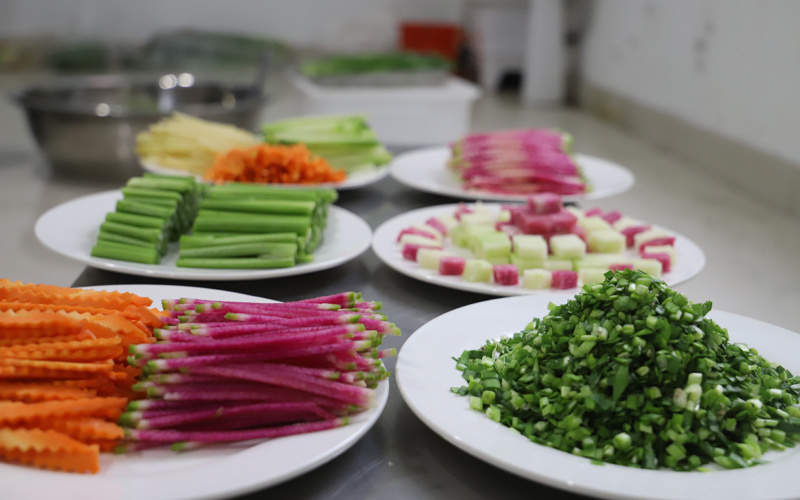
Beyond speed, the kitchen vegetable cutting machine excels in ensuring consistency. While manual cutting often results in ±2mm variation in slice thickness, machines offer precision up to ±0.5mm, ensuring uniform cuts.
This uniformity is crucial during cooking—for instance, evenly cut potato strips cook uniformly, improving both texture and flavor. For leafy greens, the multifunction vegetable cutting machine keeps leaf fragmentation under 3%, far better than the 10%+ seen with manual prep, significantly reducing waste and enhancing presentation.
3. Cost Control: Visible Investment, Measurable Returns
From a cost perspective, investing in a multifunction vegetable cutting machine delivers clear ROI. For a mid-sized restaurant, introducing one can reduce the need for two prep workers, saving over $10,000 per year in labor costs.
Additionally, the machine’s precision cutting improves ingredient utilization by 15%, minimizing scraps and trimming food costs. These hidden cost savings make the machine a powerful tool for controlling overhead and increasing profitability.
4. Safety Upgrade: Avoiding High-Risk Kitchen Tasks
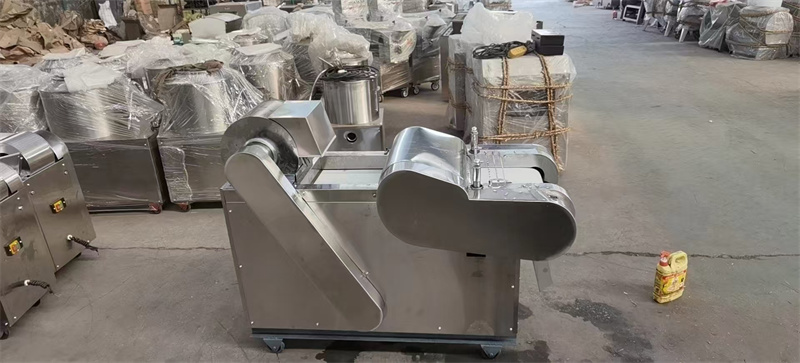
Food prep tasks carry significant safety risks. According to OSHA, manual cutting accounts for 42% of restaurant-related injuries. Fortunately, kitchen vegetable cutting machines feature advanced safety systems, such as fully enclosed blade chambers and emergency stop buttons, effectively reducing workplace accidents and protecting staff on the job.
The true value of the kitchen vegetable cutting machine lies not in replacing workers but in restructuring productivity. By boosting speed, enhancing consistency, reducing waste, and improving safety, it solves many of the labor-intensive pain points in food prep.
For restaurants aiming to stay competitive, delegating basic prep tasks to machines while allowing staff to focus on creative dish development is a smart move—and a clear path to greater success.
FAQ
Q1: How much faster is a kitchen vegetable cutting machine compared to manual prep?
A1: A kitchen vegetable cutting machine can process 200–300 kg of vegetables per hour, 20 to 30 times faster than manual cutting, which averages only 10 kg per hour. This significantly boosts prep speed during peak hours.
Q2: How does a vegetable cutting machine improve food quality and consistency?
A2: The machine delivers uniform slicing accuracy of ±0.5mm, far more precise than the ±2mm variation seen in manual cuts. This ensures even cooking, better texture, and a more professional plate presentation.
Q3: What are the cost-saving benefits of using a kitchen vegetable cutting machine?
A3: Restaurants can reduce labor by up to two prep staff, saving over $10,000 annually. Additionally, ingredient utilization improves by 15%, reducing waste and lowering food costs.
Q4: Are kitchen vegetable cutting machines safer than manual prep?
A4: Yes. These machines come with enclosed blade chambers and emergency stop buttons, which greatly reduce the risk of cuts and injuries—protecting staff and meeting kitchen safety standards.
Related links: