Welcome to Jinan Jiaruichang Machinery Equipment Co., Ltd.
Looking for a reliable dough divider rounder for sale? Four tips to consider!
As a baking equipment distributor, your market competitiveness depends heavily on a stable supply chain and high end-customer satisfaction. However, many distributors face common pitfalls—inconsistent supplier quality, shrinking profit margins, and slow after-sales response—leading to frustrating bottlenecks.
So how can you identify a supplier that guarantees both machine quality and strong profit potential?
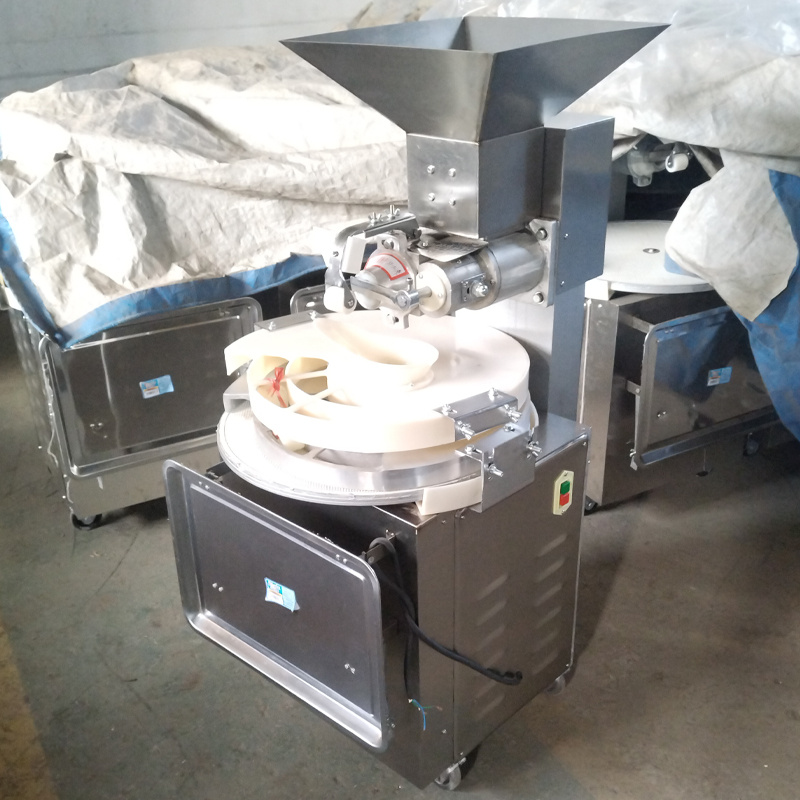
The answer lies in adopting a strategic supplier evaluation system. A reliable partner offering a dough divider rounder for sale can become the cornerstone of your reputation and revenue growth.
I.Accurately Identify Target Market Needs
1 Customer Profile Mapping
Understand the types of end-users you're targeting:
Chain bakeries require high-output machines (e.g., 500kg/hour dough handling).
Food factories prioritize fully automated production lines.
Artisan bakeries prefer compact and flexible units.
Also, consider regional compliance: CE certification is crucial for Europe, while FDA compliance is necessary for the U.S.
2 Machine Selection by Regional Preference
Equipment preferences vary greatly across regions:
European clients value energy-saving models (e.g., 30%+ efficiency).
Southeast Asian markets need humidity- and corrosion-resistant designs.
Middle Eastern clients prioritize machine stability in high-temperature environments.
3 Profit Margin Calculation
Compare suppliers’ FOB pricing, Minimum Order Quantity (MOQ), and exclusive distribution policies.
For example, a supplier with a MOQ under 10 units reduces inventory risk, while exclusive rights protect your regional pricing authority.
II. Vetting High-Potential Suppliers: 3 Key Dimensions
1 Certifications and Production Capacity
Check annual factory output, patents, and global distribution track record.
Example: JRC Machinery, a well-known Chinese manufacturer, partners with over 20 distributors in the Middle East, Southeast Asia, and Europe, offering a patented ±5g dough divider rounder with a reorder rate exceeding 80%.
2 Proven Market Compatibilities
Ask for case studies—such as customized machines for chain brands with dual-voltage (220V/110V) or models capable of flexible dough weight adjustments (50g–200g).
3 Flexible Partnership Options
Prefer suppliers who offer OEM branding, territorial protection, and co-development of multi-language manuals and marketing videos—tools that lower your go-to-market cost.
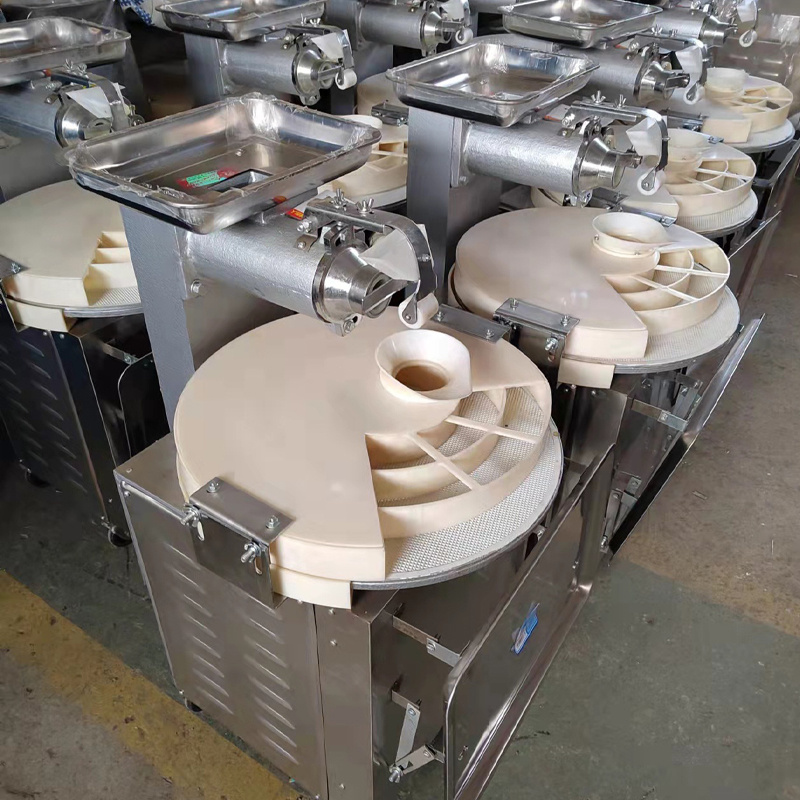
III. Deep-Dive Quality & Performance Checks
1 Third-Party Certifications
Request food safety certifications and independent quality inspection reports.
2 Practical Performance Testing
Observe real-world performance through client feedback or video demos—particularly the machine’s ability to run continuously for 8 hours without faults.
3 Component Traceability
Ensure that motors use copper cores, that surfaces are food-grade 304 stainless steel, and that all specs are backed with material certification.
IV. Securing Long-Term Cooperation
1 After-Sales & Distributor Support
Suppliers should offer:
Remote diagnostics within 48 hours
Spare parts shipping
Co-hosted training for end-users
2 Risk Mitigation Policies
Contracts should clearly define:
Return/replacement terms
Unsold inventory buyback ratio (recommended ≥70%)
These clauses help avoid capital being tied up for too long.
Conclusion
From understanding your market to selecting the right supplier and forming a sustainable partnership, every step should center on delivering value to your end customer.
Choosing a partner offering a dough divider rounder for sale that’s built on proven technology and responsive service is key. Only then can distributors thrive—and stay profitable—in a highly competitive market.
If you're seeking a dough divider rounder that delivers both performance and profit, now is the time to build your strategy around these four pillars.
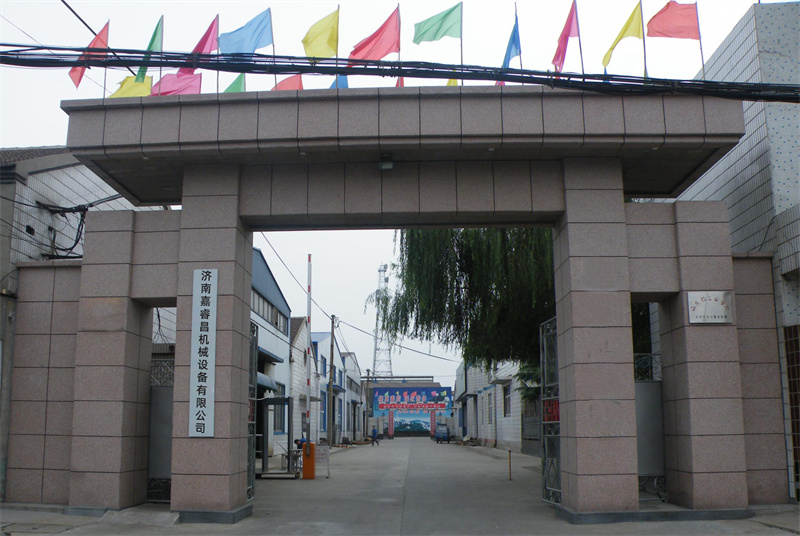
One such partner is JRC Machinery, a leading Chinese factory with over 20 years of expertise in dough processing equipment. As a manufacturer, JRC Machinery operates its own R&D and machining facilities, guaranteeing both production reliability and cost-effectiveness.
For price,pls refer to (What is the dough divider rounder machine price?)
FAQ
Q1: What should I consider when choosing a dough divider rounder supplier for my market?
A1: Start by identifying your target customer segments—chain bakeries, food factories, or artisan shops—and ensure the machine specifications match their needs. Also, check for regional compliance (e.g., CE for Europe, FDA for the U.S.) and assess FOB pricing, MOQ, and distributor exclusivity to protect your margins.
Q2: How do I evaluate if a dough divider rounder manufacturer is reliable?
A2: Look for manufacturers with verified certifications, strong production capacity, and case studies proving market compatibility (e.g., voltage customization, adjustable dough weight). A high reorder rate—like JRC Machinery’s 80%—also indicates strong customer satisfaction.
Q3: What technical checks should I perform before buying a dough divider rounder?
A3: Verify that the machine has food-grade 304 stainless steel components, copper-core motors, and third-party certifications. Request performance test videos and ensure it can run 8+ hours continuously without faults. Material traceability and inspection reports should be available.