Welcome to Jinan Jiaruichang Machinery Equipment Co., Ltd.
Why do bakeries need a bread dough divider machine?
In today’s increasingly competitive baking industry, the dough divider—an essential step in bread production—faces dual challenges of efficiency and quality. The traditional manual dividing process can no longer meet the demands of modern baking enterprises, and the emergence of bread dough divider machines has become a key force in boosting competitiveness.
Multiple Bottlenecks of Traditional Manual Dividing
The limitations of manual dividing are especially apparent in large-scale production. Even experienced bakers can only divide up to 200 dough pieces per hour, and as work hours increase, weight variance can exceed ±10g. Inconsistent dough sizes not only affect the visual uniformity of baked goods but also disrupt baking times, ultimately impacting product texture and consistency.
Moreover, frequent hand contact during manual operations and the difficulty of thoroughly cleaning tools significantly increase the risk of microbial contamination. This is particularly concerning during high-temperature summer months when sanitation control costs soar. A more pressing issue is the growing unwillingness among young workers to engage in repetitive, labor-intensive tasks. As a result, small and medium-sized enterprises are facing challenges in both hiring and retaining skilled labor.
How Divider Machines Solve Industry Pain Points
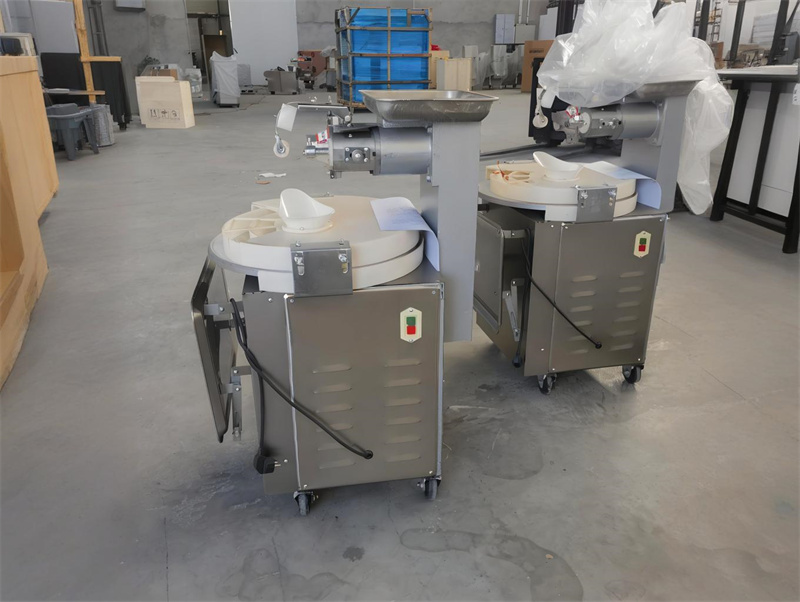
To tackle these challenges, bread dough divider machines offer overwhelming advantages. Mainstream models can divide 50–80 dough pieces per minute, boosting daily productivity by more than 300%—equivalent to the output of three to four workers. This effectively eliminates production bottlenecks during peak order periods.
In terms of precision, these machines utilize high-accuracy sensors and CNC cutting systems to maintain a weight error within ±2g. This ensures uniform dough portions, laying a standardized foundation for the proofing and baking stages. This standardization is especially critical for chain brands, where consistent product specs are essential for maintaining brand identity.
From a hygiene perspective, divider machines are made of food-grade 304 stainless steel with smooth, seamless surfaces. Their modular, detachable components reduce cleaning time by 70% compared to manual tools, effectively minimizing the risk of cross-contamination.
From a cost standpoint, precise dividing reduces dough waste from 8% (manual) to under 2%. For a central kitchen handling 1,000 kg of dough per day, this translates to over ¥50,000 (approx. $7,000) in annual savings on raw materials. The typical return on investment for such equipment is just 1–2 years.
A Must-Have for All Production Scenarios
Baking businesses of all sizes can find value in adopting a dough divider machine.
The central factories of chain brands process several tons of dough daily. Large divider machines integrate seamlessly into production lines, enabling 24/7 operation and ensuring consistent quality across thousands of store locations.
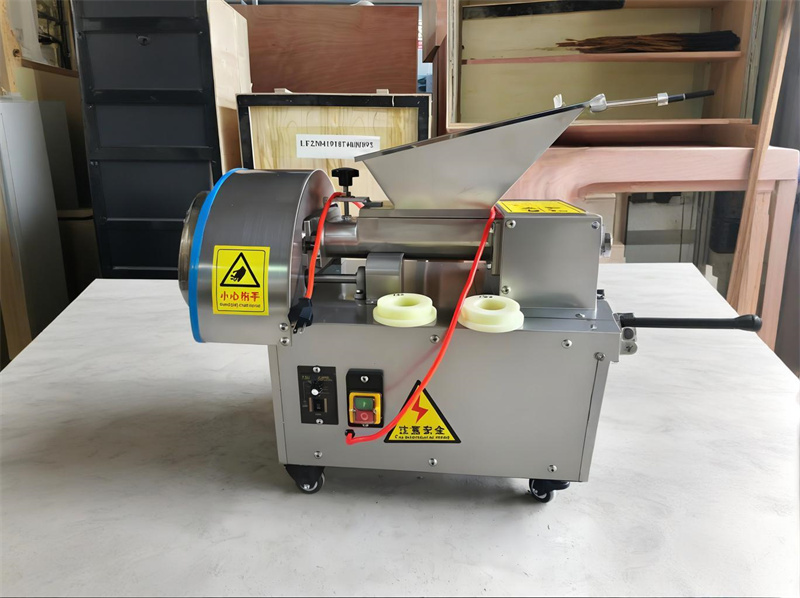
Small to medium-sized bakeries may have lower daily output, but compact, multifunctional machines (capable of handling 50–500g dough pieces) offer the flexibility needed for both daily orders and seasonal spikes (such as fivefold increases during Spring Festival or Christmas).
Premium artisan bakeries focused on high-end custom offerings benefit from the divider machine’s precise weight control, meeting strict requirements for “gram-level customization” and “ingredient ratio accuracy.” During seasonal production surges, the plug-and-play nature of these machines allows businesses to scale up without training new workers, eliminating the risks of temporary labor and fluctuating output.
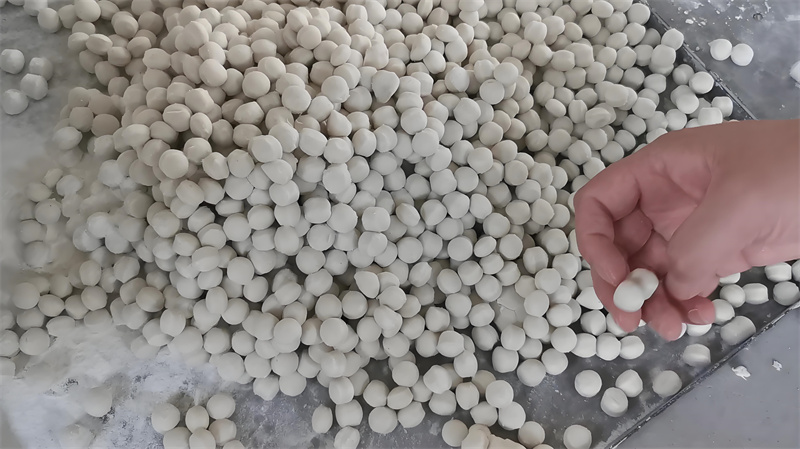
Conclusion: From Equipment Upgrade to Brand Evolution
For modern bakeries, dough divider rounder machines are no longer just “tools”—they’ve become strategic pillars for scaling operations. These machines solve practical problems related to efficiency, quality, and cost while paving the way for brand standardization.
When customers can buy the same size and same-tasting bread from any branch, a sense of brand trust is quietly built through consistency. In a time when labor costs are high and consumer expectations are rising, investing in the right dough divider is not just a tactical move to stay competitive—it’s a crucial step toward industrialization and brand elevation.
Related links: How to choose a dough divider machine
FAQ
Q1: Why should bakeries replace manual dough dividing with a bread dough divider machine?
A1: Manual dividing is slow and inconsistent, typically limiting output to 200 pieces/hour with weight variations of ±10g. In contrast, a bread dough divider machine can divide 50–80 pieces per minute with ±2g accuracy, increasing productivity by 300% and improving uniformity in baked products.
Q2: How does a dough divider machine help reduce labor and sanitation costs?
A2: The machine replaces 3–4 workers, reducing reliance on manual labor and helping mitigate labor shortages. Its food-grade stainless steel construction and easy-to-clean modular design reduce cleaning time by 70%, lowering contamination risks and sanitation costs—especially important in high-temperature environments.
Q3: Is a dough divider machine suitable for small or artisan bakeries?
A3: Yes. Compact models handle 50–500g dough pieces, offering flexibility for small batch production and seasonal surges. Artisan bakeries benefit from precise portion control for custom recipes, while plug-and-play functionality allows for rapid scale-up without hiring or training additional workers.