Welcome to Jinan Jiaruichang Machinery Equipment Co., Ltd.
How to choose a commercial rice steamer machine
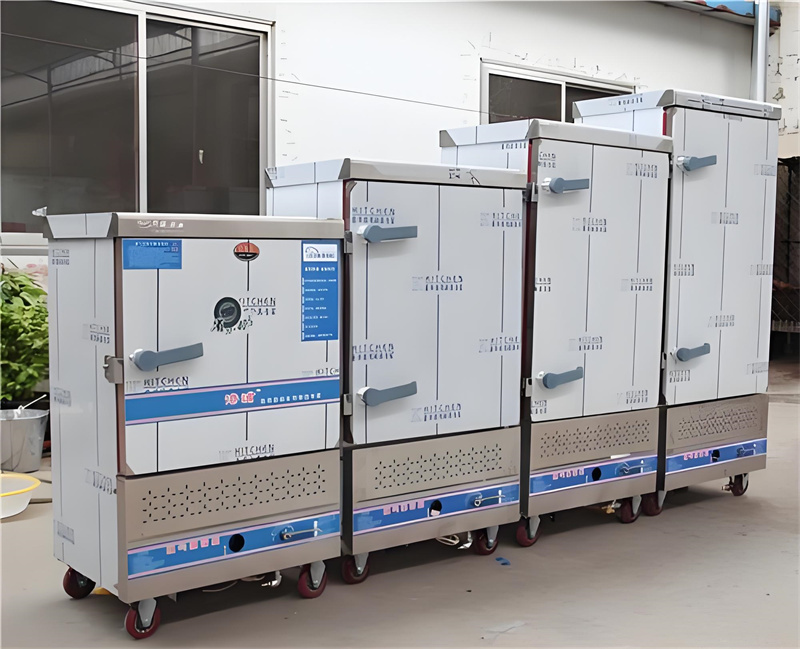
In the food service industry, rice steamers are essential equipment. However, when choosing the energy source, many business owners face a common dilemma: Is gas or electricity more cost-effective?
To answer this question, we need to analyze both costs and benefits to compare the two energy sources in detail.
Cost Analysis
1.Energy Costs
The prices of gas and electricity vary by region and time, so the actual cost depends on local energy rates.
Gas: Generally cheaper than electricity but subject to price fluctuations.
Electricity: Prices are more stable but generally higher than gas.
From an energy cost perspective, gas may have an advantage in areas where gas prices are low.
2. Equipment Costs
The initial purchase cost of a rice steamer depends on its energy type:
Gas Rice Steamers:Lower upfront cost,Higher installation and maintenance costs
Electric Rice Steamers: Higher upfront cost, Lower installation and maintenance costs
In terms of equipment costs, the best choice depends on individual business needs and long-term maintenance considerations.
Benefit Analysis
1.Equipment Efficiency
The efficiency of a commercial rice steamer directly impacts energy consumption and operating costs.
If a gas rice steamer has high thermal efficiency, it can maximize gas utilization, making it more cost-effective.
If an electric rice steamer operates more efficiently, then using electricity may be the better option.
2. Usage Frequency
If the restaurant has high customer traffic and the steamer operates for long hours, the lower-cost fuel option (gas) may be more economical.
If the restaurant has lower customer traffic and the steamer runs for shorter periods, the stable pricing of electricity may be preferable.
Comprehensive Recommendation
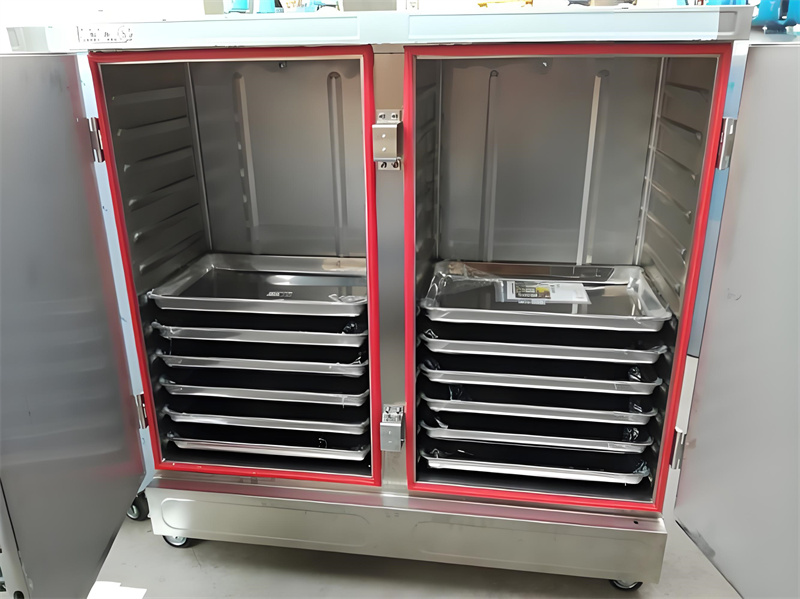
Choosing between gas and electric rice steamers depends on local energy prices, equipment efficiency, and usage frequency. If gas prices are low and the steamer operates efficiently, gas may be the more cost-effective option. However, if electricity is more stable and easier to maintain, an electric steamer might be the better choice. Additionally, factors like installation costs, maintenance, and safety regulations should be considered to ensure the best long-term investment.
For the difference between commercial rice steamer machine ,please refer to:
FAQ
Q1: Should I choose a gas or electric commercial rice steamer for my business?
A1: It depends on your local energy rates, usage frequency, and maintenance preferences. Gas steamers are often cheaper to operate where gas prices are low, but require more complex installation. Electric steamers offer more stable costs and easier maintenance, making them ideal in areas with steady electricity rates.
Q2: Which has a lower long-term cost—gas or electric rice steamers?
A2: Gas steamers typically have lower energy costs but higher installation and maintenance expenses. Electric steamers cost more upfront but are easier and cheaper to maintain over time. Your overall cost will depend on local fuel prices and how frequently the steamer is used.
Q3: What factors affect the efficiency of a commercial rice steamer?
A3: Efficiency is influenced by the steamer’s design, energy source, and thermal performance. High-efficiency gas steamers optimize fuel usage, while well-designed electric models can reduce energy waste. Choosing a model with consistent steam output and heat distribution is key.
Q4: How does restaurant size or customer volume impact my rice steamer choice?
A4: High-volume restaurants may benefit from gas steamers due to lower fuel costs during long operating hours. Smaller or mid-size establishments might prefer electric models, which offer simpler installation, more stable pricing, and fewer maintenance demands.