Welcome to Jinan Jiaruichang Machinery Equipment Co., Ltd.
Commercial Rice Steamer Price Malaysia: Why Stainless Steel Models Cost More
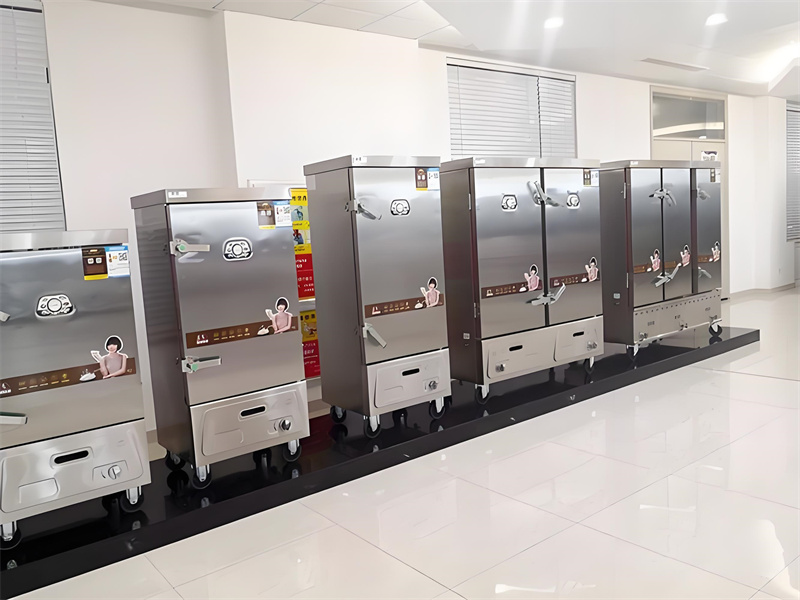
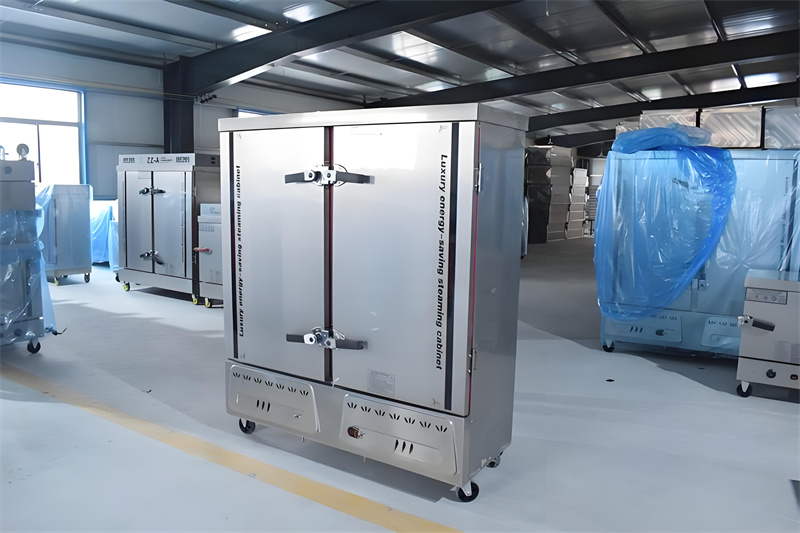
The price gap between commercial rice steamers varies significantly in the Malaysian food service industry—stainless steel models typically cost 30%-50% more than standard aluminum alloy models. This price difference stems from a combination of material properties, manufacturing costs, and market conditions.
1. Material Costs
Malaysian food safety regulations mandate the use of food-grade contact materials, with 201 stainless steel being the most common choice for rice steamers. This material is highly resistant to acid, alkali, and prolonged exposure to high-temperature steam, making it a preferred option despite being 2-3 times more expensive than aluminum.
For example, data from a Kuala Lumpur kitchen equipment supplier shows that the raw material cost for a 6-layer stainless steel rice steamer accounts for 45% of its total price, while the same model made from aluminum alloy only accounts for 28%.
2. Manufacturing Complexity
The production of stainless steel rice steamers involves multiple high-precision processes:
Welding Process
Stainless steel requires argon arc welding to ensure seamless joints and prevent steam leakage. While a regular welder earns around RM80 per day, a certified stainless steel welder can earn up to RM150 per day.
Surface Treatment
The polishing process requires 3-5 rounds of fine grinding to achieve a surface roughness of Ra ≤ 0.8μm, which takes three times longer than standard aluminum spray coating.
Structural Design
To ensure even heat distribution, stainless steel steamers incorporate a dual-chamber insulation layer, increasing material usage by 15%.
3. Durability and Cost Efficiency
While the initial investment in stainless steel rice steamers is higher, their lifetime cost is significantly lower due to superior durability:
Lifespan Comparison
Aluminum alloy steamers have an average lifespan of 2-3 years, whereas stainless steel models can last 5-8 years. A case study from a Kuala Lumpur-based tea house chain found that the cost of replacing three aluminum steamers equaled the cost of purchasing and maintaining one stainless steel unit over the same period.
Maintenance Costs
Stainless steel steamers are resistant to rust and deformation, requiring only RM200-300 per year for maintenance, whereas aluminum steamers often incur over RM500 per year in repair expenses.
4. Market Factors
Malaysia relies heavily on imported stainless steel, as 90% of its supply comes from foreign markets:
Import Costs
The CIF price of hot-rolled stainless steel coils is approximately USD 1,800 per ton. After adding a 6% import duty and transportation fees, the final cost reaches nearly RM8,000 per ton.
Policy Regulations
The 2024 revision of Malaysia’s Food Equipment Safety Regulations mandates that all commercial rice steamers must obtain SIRIM certification, eliminating about 40% of low-cost, substandard products from the market.
Conclusion
The higher price of stainless steel rice steamers is fundamentally an investment in quality and efficiency. When purchasing commercial kitchen equipment, businesses should weigh upfront costs against long-term benefits to maximize operational efficiency and cost-effectiveness.
When buying, pls refer to (Points to Note When Buy Commercial Rice Steamer)