Welcome to Jinan Jiaruichang Machinery Equipment Co., Ltd.
Why is dough divider rounder Malaysia imported from China
Malaysia’s baking industry is growing at a rate of 7% annually, but local equipment manufacturers are struggling to keep up. Producing even a basic dough machine domestically costs 38% more than importing from China, pushing 90% of bakeries to seek solutions abroad. When “local pride” runs into hard financial facts, China-made dough divider rounder Malaysia becomes the most rational choice.
I、The Cost Equation: Savings Are Pure Profit
The procurement manager of Kuala Lumpur chain Bake & Joy broke it down: a locally customized dough machine costs around RM 15,000, whereas the JRC30 model from China’s JRC Machinery is priced at just RM 5,000. Ordering ten units saves a whopping RM 100,000.
And the hidden savings? Maintenance. Chinese machines use standardized bearings and gears, making replacement parts 65% cheaper than European alternatives.
“We saved RM 100,000 in three years—enough to open two more outlets,”
says owner Tan Chee How, pointing at his financial report.
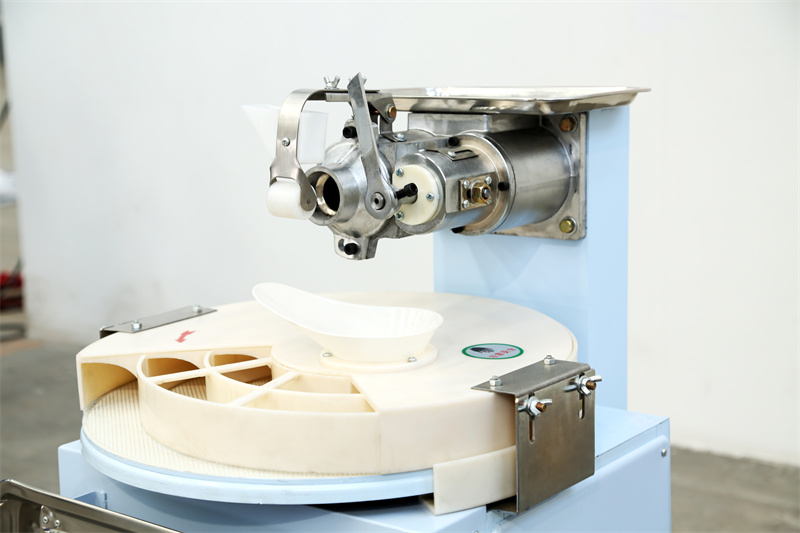
II、 Built for the Tropics: A Cure for Humid Weather
Penang’s century-old bakery Hock Seng Kee learned a hard lesson with European machines. Their RM 120,000 German-made unit suffered five motor breakdowns per month under 80% humidity, with repair costs hitting RM 2,000 per session.
After switching to JRC Machinery’s JRC30, the combination of anti-rust coating and heat-resistant motors dropped the failure rate to just once per year.
“Now even high-sugar, oily dough for kaya buns is divided with less than 3g error,”
says third-generation owner Lim Boon Tai, who now confidently accepts bulk orders.
III、China Speed: From 45 Days to 20 in a Race Against Time
In 2022, when global flour prices spiked by 30%, Johor-based Sunrise Bakery urgently turned to JRC Machinery in China. From custom motor configuration to sea freight clearance, the equipment arrived in just 21 days—cutting energy use by 40% compared to older models.
“If we’d gone with a European supplier, just getting into the production schedule would take three months,”
recalls factory manager Huang Guo Ming.
And the service didn’t stop there—Chinese engineers provided remote assistance to adjust the machine’s input voltage from 240V to Malaysia’s 230V standard, eliminating circuit overload risks.
IV、Policy Perks: Tariffs Down, Training Included
Thanks to the RCEP agreement, tariffs on Chinese food machinery imported to Malaysia have dropped from 8% to 5%, saving an additional RM 500 per JRC30 unit.
At the China-Malaysia Industrial Park’s Technical Center, Chinese engineers also offer bilingual training sessions, helping local teams ramp up operations smoothly.
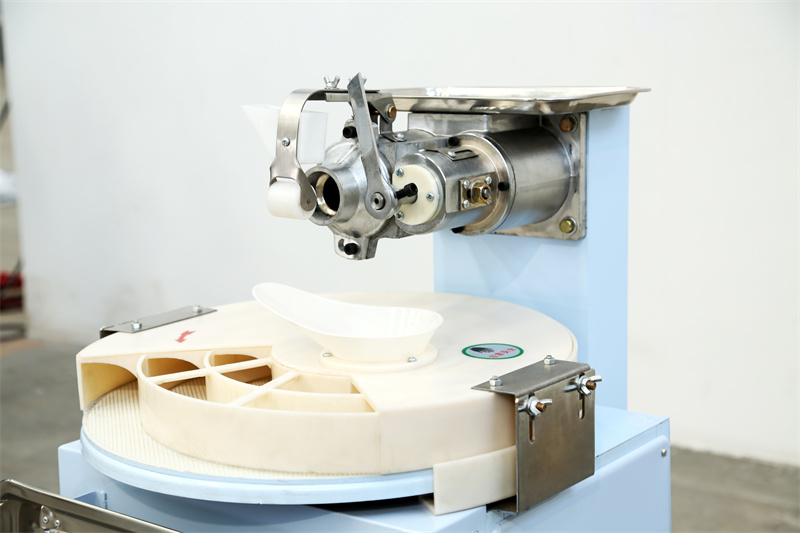
Conclusion: Where Cost Efficiency Meets Precision Service
China-made machines are reshaping Malaysia’s baking industry with a formula of "cost subtraction + technology addition":
Saved funds go into new ovens,
Stable output builds customer loyalty,
and an agile supply chain gives small bakeries the confidence to compete with big brands.
Shortly, “Assembled in Malaysia” Chinese machines may become the cornerstone of the next great win-win story.
FAQ
Q1: Why do most Malaysian bakeries import dough divider rounders from China?
A1: Due to 38% lower equipment costs, cheaper maintenance parts, and faster delivery, over 90% of Malaysian bakeries prefer importing from China.
Q2: How do Chinese dough divider machines perform in Malaysia’s humid climate?
A2: Chinese models like the JRC30 feature anti-rust coatings and heat-resistant motors, ensuring reliable operation even in 80% humidity with minimal breakdowns.
Q3: Is delivery from China faster than other international suppliers?
A3: Yes. Chinese manufacturers like JRC Machinery deliver in as fast as 20–21 days, compared to 45–90 days from European brands—crucial for urgent upgrades.
Q4: Are there additional benefits to importing dough machines from China?
A4: Yes. Under RCEP, tariffs are reduced, saving RM 500 per unit, plus bilingual training and remote tech support are included to speed up setup and operation.
Related links: